
Wisdom tooth extraction is a common dental procedure that many individuals undergo during adolescence or early adulthood. While the surgery itself is usually straightforward, post-surgery discomfort is a natural part of the healing process. Understanding what to expect can help individuals manage their recovery more effectively and reduce anxiety associated with the procedure.
What to Expect After Wisdom Tooth Extraction
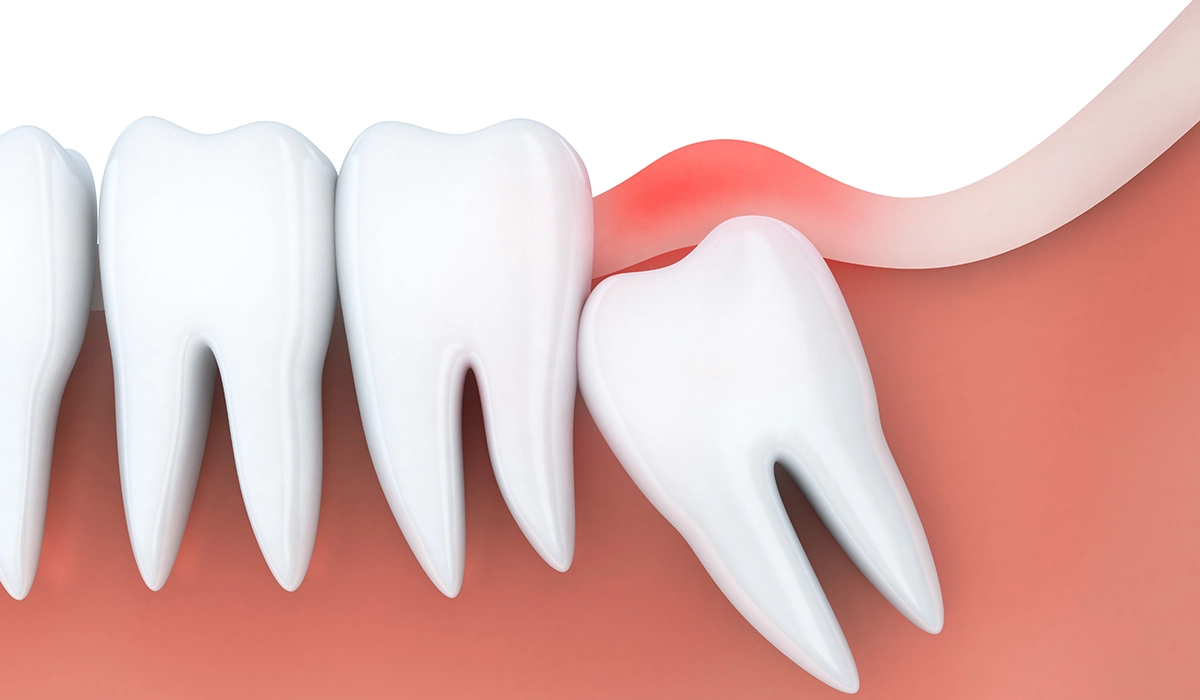
After the removal of a Wisdom Tooth Extraction Dubai, the body begins the healing process immediately. Discomfort can vary depending on the complexity of the extraction and the individual’s pain tolerance. Swelling, soreness, and minor bleeding are common experiences in the first few days. Some individuals may also experience stiffness in the jaw or difficulty opening the mouth fully.
Types of Post-Surgery Discomfort
Pain after wisdom tooth extraction is often mild to moderate and typically peaks within the first 24 to 48 hours. Swelling around the jaw and cheeks is normal and may last several days. Some individuals notice bruising around the extraction area, which gradually fades. Additionally, slight numbness or tingling can occur if local anesthesia was used, and this usually resolves within a few hours.
Jaw stiffness is another common concern. Limited movement can make eating and speaking challenging initially, but gentle stretching of the jaw as advised by a professional helps restore normal function. Minor bleeding or oozing from the extraction site is also expected and usually stops within a day or two.
Understanding the Healing Process
The healing process after wisdom tooth removal follows several stages. Blood clot formation is the first step and is crucial for proper recovery. This clot protects the underlying bone and nerves while promoting tissue regeneration.
Within a few days, soft tissue around the extraction site begins to close, reducing exposure and sensitivity. Over the course of one to two weeks, swelling and soreness gradually decrease, and normal jaw function returns. Complete healing of the bone can take several months, but discomfort generally improves within the first week.
Common Symptoms and Their Duration
Mild to moderate pain typically subsides within three to five days. Swelling usually peaks around 48 hours and slowly diminishes over the next week. Bruising, if present, may take a little longer to fade. Difficulty in opening the mouth fully often improves within a few days as inflammation reduces.
Some individuals may notice temporary changes in taste or mild bad breath, which are normal during the early healing stages. Numbness or tingling sensations usually resolve quickly unless a more complex extraction involved nerves, in which case recovery might take longer.
Tips for Managing Discomfort
Effective management of post-surgery discomfort involves a combination of rest, gentle oral care, and following professional guidance. Keeping the head elevated while resting can reduce swelling. Applying cold compresses to the affected area in the first 24 hours helps minimize inflammation.
Eating soft foods and staying hydrated supports the healing process without putting strain on the extraction site. Avoiding strenuous activity and chewing on the side of the mouth where the extraction occurred allows tissue to heal properly.
Gentle rinsing with saltwater after the first day helps keep the area clean and supports tissue recovery. It is important to avoid disturbing the blood clot, which means refraining from vigorous rinsing or spitting. Maintaining oral hygiene with careful brushing around the other teeth also prevents infections while protecting the extraction site.
Monitoring for Potential Complications
While some discomfort is normal, certain signs indicate that professional evaluation may be necessary. Persistent or increasing pain, prolonged bleeding, swelling that worsens after a few days, or signs of infection require attention. Fever or pus discharge from the extraction site should also prompt consultation.
Being aware of these warning signs helps ensure timely intervention if complications arise. Regular follow-up checks can help monitor healing progress and provide guidance for managing any concerns.
Frequently Asked Questions
How long does post-surgery discomfort usually last?
Discomfort typically lasts a few days, with pain peaking within the first 24 to 48 hours. Swelling and soreness gradually improve over one to two weeks.
Is it normal to have difficulty opening the mouth?
Yes, jaw stiffness is common due to swelling and muscle tension. Gentle stretching and gradual use of the jaw usually restore normal movement within a few days.
Can eating be painful after the procedure?
Eating soft foods is generally well-tolerated. Hard or chewy foods can irritate the extraction site and prolong discomfort, so they should be avoided initially.
When should professional advice be sought?
Persistent or worsening pain, continuous bleeding, swelling that does not reduce, or signs of infection such as fever or pus should prompt consultation.
What can be done to reduce swelling?
Applying cold compresses for the first 24 hours, keeping the head elevated, and avoiding strenuous activity are effective ways to minimize swelling.
Conclusion
Post-surgery discomfort following Wisdom Tooth Extraction in Dubai is a normal part of the healing process. Understanding what to expect, recognizing common symptoms, and following practical management strategies can make recovery smoother and less stressful. While some discomfort is inevitable, proper care and attention to the healing process generally result in full recovery without complications.
Gentle care, awareness of warning signs, and patience are key components of a successful post-extraction experience, helping individuals regain comfort and return to normal daily activities.
