
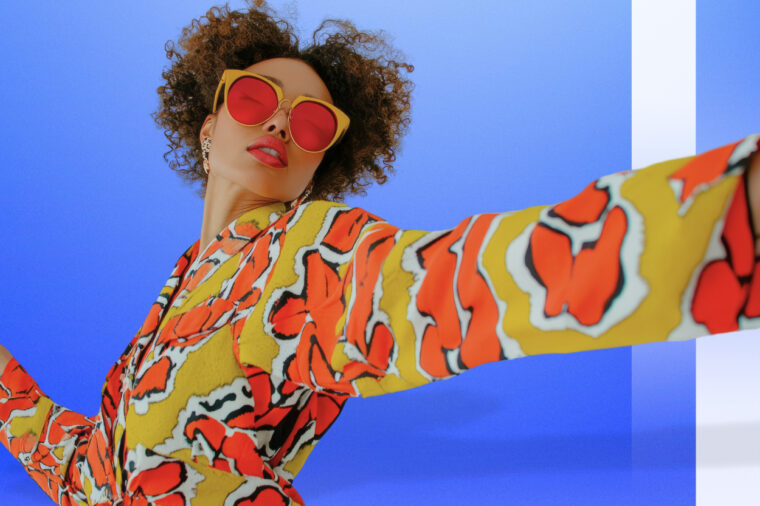
Growing apparel brands need prints that stand out on shelves, hold up during daily wear, and stay true to the artwork their designers create. Basic printing methods work for simple logos. More detailed graphics need specialized techniques that capture fine shading, gradients, and multi-color designs. This is why many brands turn to simulated process screen printing and high-quality sublimation printing to achieve retail-level results that match their creative vision.
These methods help teams deliver sharp artwork across large production runs without losing detail. They also support fast timelines, consistent colors, and long-lasting durability.
How Simulated Process Captures Detailed Artwork
Some designs rely on soft shading, realistic textures, or detailed gradients. Traditional spot-color printing uses flat colors that cannot recreate depth. Simulated process screen printing solves this problem with carefully separated colors that blend on press. This technique recreates depth and shadow that standard screen printing cannot achieve.
A team preparing a graphic tee with a sunset, water reflections, or layered shadows benefits from a simulated process because it captures the artwork more accurately. The printer separates the art into several tones, then uses halftone patterns to blend them on the garment. When done correctly, the print looks smooth and natural.
Brands that use detailed illustrations or photo-inspired graphics use this method to maintain the original design’s look. Customers expect prints to match the digital artwork they see in marketing, and the simulated process helps brands meet that expectation.
When Sublimation Becomes the Better Option
Some graphics include effects that screen printing cannot reproduce. Designs that need all-over coverage, photo-realistic detail, or complex textures work better with high-quality sublimation printing. Sublimation uses heat to turn ink into a gas that bonds with the fibers of polyester fabric. This allows colors to stay bright and never crack, peel, or fade.
Sublimation also covers areas that traditional screen printing cannot reach. For example, brands can print edge-to-edge across sleeves, seams, and entire panels before the garment is sewn. This lets designers create wraps, patterns, and textures that look custom to each piece. Sports teams, streetwear brands, and event merch programs use sublimation when they need full coverage and vibrant detail.
Choosing the Right Method for Each Collection
Every collection has different print needs. A brand preparing a line of graphic tees for retail may choose simulated process for pieces that feature bold illustrations or shadowed designs. At the same time, they might use sublimation for a separate collection that needs all-over coverage or photo-realistic detail.
Teams can make better decisions when they know how each technique performs:
- Use simulated process: for detailed illustrations, soft gradients, and textured art.
- Use sublimation: for full-coverage prints, vibrant colors, and designs that need exact reproduction.
Maintaining Color Consistency at Scale
Color control plays a significant role in retail success. Customers notice when shades vary between sizes or batches. Large print runs need the same tones across every piece.
Simulated process relies on precise ink mixing and expert screen preparation. The press operator adjusts halftone screens and ink density to ensure the artwork blends correctly. This creates repeatable results across hundreds or thousands of garments.
High-quality sublimation printing maintains color consistency because the artwork is digitally printed before being transferred to fabric. The printer uses calibrated profiles to match colors, and the heat transfer process permanently locks them in. This makes sublimation highly reliable for large-scale production.
Durability That Matches Customer Expectations
A print that cracks or fades hurts a brand’s reputation. Both simulated process and sublimation last long when produced properly.
Simulated process, cured at exact temperatures, bonds well to cotton or blended fabrics. It handles heavy washing without losing detail.
Sublimation creates a permanent color that is embedded in the fibers. It resists fading even after repeated washes, outdoor exposure, and sweat.
For brands selling high-wear items like activewear, touring merch, or seasonal streetwear, durability is essential. These techniques protect artwork and keep garments looking new.
How These Techniques Support Creative Freedom
When designers know they can rely on advanced printing, they push creativity further. They explore multi-layer illustrations, hand-drawn shading, overlapping patterns, and full-coverage layouts. A skilled production partner helps brands choose the technique that brings the artwork to life with the highest accuracy.
Advanced print methods help brands create retail-quality collections that stay true to the original artwork. When teams match each design to the right process, they build products that look sharp, last long, and stand out in the market.
