
The Enduring Power of Sacred Christian Symbols
Across centuries, Christian symbols have served as tangible expressions of faith, devotion, and spiritual identity. Among these symbols, the cross stands as the most powerful and universally recognized emblem of Christianity. For believers, it is not merely a decorative object but a reminder of sacrifice, redemption, and hope. When crafted with care and rooted in history, these symbols carry an even deeper resonance. This is especially true of crosses from the holy land, which connect faith directly to the places where biblical history unfolded.
Why the Holy Land Holds Deep Spiritual Meaning
The Holy Land is more than a geographical region; it is a sacred landscape intertwined with the life and teachings of Jesus Christ. Cities like Jerusalem, Bethlehem, and Nazareth are central to Christian belief, making items originating from these locations profoundly meaningful. For pilgrims and faithful individuals alike, owning religious artifacts made in this region offers a personal connection to sacred history. This is why crosses from the holy land are often treasured as lifelong keepsakes, prayer companions, or cherished family heirlooms.
Olive Wood: A Material Rooted in Scripture
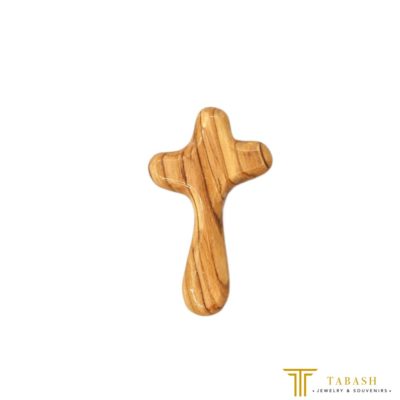
One of the most distinctive materials used in Holy Land craftsmanship is olive wood. Olive trees are deeply symbolic in the Bible, representing peace, endurance, and divine blessing. These trees have grown in the region for thousands of years, some dating back to biblical times. When artisans carve religious items from olive wood, they are working with a material that carries spiritual symbolism as well as natural beauty. The warm tones and unique grain patterns make each piece visually distinctive and spiritually significant.
The Significance of the Jerusalem Cross
The Jerusalem Cross is a powerful Christian emblem composed of a large central cross surrounded by four smaller crosses. This design is traditionally interpreted as Christ at the center spreading the Gospel to the four corners of the world. Another interpretation connects it to the five wounds of Christ during the crucifixion. When this symbol is crafted in olive wood, it becomes even more meaningful. A Jerusalem Cross Olive Wood piece blends theology, history, and craftsmanship into a single sacred object that resonates deeply with believers.
Artistry Passed Through Generations
Crafting religious items in the Holy Land is often a tradition passed down through generations of Christian families. These artisans combine faith, skill, and patience to create pieces that reflect both devotion and expertise. Each carving is done with care, ensuring that the spiritual significance of the object is honored. Whether simple or intricately detailed, these works reflect centuries-old techniques adapted to modern appreciation. This dedication is what sets authentic Holy Land items apart from mass-produced replicas.
Meaningful Gifts for Every Occasion
Religious artifacts crafted from olive wood make thoughtful gifts for many spiritual milestones. Baptisms, confirmations, weddings, and ordinations are moments when faith takes center stage, and a meaningful symbol can leave a lasting impression. Crosses from the holy land are especially valued as gifts because they carry both spiritual depth and historical authenticity. A Jerusalem Cross Olive Wood piece, for example, serves not only as a gift but as a lifelong reminder of faith and commitment.
Enhancing Prayer and Reflection Spaces
Many believers choose to place sacred symbols in their homes as part of a prayer corner or meditation space. The natural warmth of olive wood creates a calming presence, encouraging reflection and spiritual focus. Displaying a Jerusalem Cross Olive Wood cross in a personal space can enhance moments of prayer, helping individuals feel more connected to their faith. These items also serve as gentle reminders of spiritual values in daily life.
Preserving Faith Through Ethical Craftsmanship
Authentic Holy Land artisans often rely on ethical and sustainable practices, especially when sourcing olive wood. Trees are pruned rather than cut down, ensuring the preservation of these ancient groves for future generations. Supporting such craftsmanship helps maintain cultural heritage while promoting responsible practices. When people choose genuine crosses from the holy land, they are not only honoring their faith but also supporting communities that keep these sacred traditions alive.
A Lasting Connection to Sacred Roots
In a fast-paced, modern world, objects with deep spiritual roots offer a sense of grounding and continuity. Religious symbols crafted in the Holy Land bridge the past and present, reminding believers of timeless truths. Whether purchased during a pilgrimage or chosen from afar, these sacred items provide comfort, inspiration, and a tangible link to Christian history.
Conclusion: Faith Made Tangible Through Sacred Craft
Sacred symbols hold the power to inspire, comfort, and strengthen faith when they are crafted with intention and spiritual reverence. Items made from olive wood in the Holy Land stand apart for their authenticity, symbolism, and craftsmanship. By choosing meaningful religious artifacts that reflect deep spiritual heritage, believers can carry a piece of sacred history into their everyday lives. Explore authentic expressions of faith and tradition through tabashsouvenirs.com, where craftsmanship and devotion come together in timeless form.
