
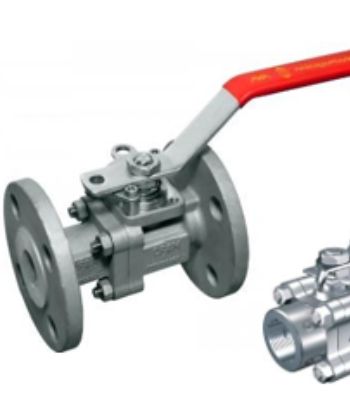
In chemical manufacturing, precision and reliability are essential. One piece of equipment that plays a crucial role in ensuring smooth operations is the molecular sieve ball valve. These valves are specially designed to control the flow of gases and liquids in processes where purity and safety are vital. From controlling the movement of reactive chemicals to handling high-pressure gas systems, these valves help manufacturers maintain efficiency and consistency.
Understanding Molecular Sieve Valves
Molecular sieve valves are designed to work with molecular sieves, which are materials used to separate specific molecules from mixtures based on size. In simple terms, they act like filters that allow only certain molecules to pass through while blocking others. The valves control the flow to ensure that the sieves operate correctly without leaks or pressure issues. This precision makes them ideal for chemical processes where even small impurities can impact product quality.
Key Benefits of Molecular Sieve Ball Valves
Using these valves offers several benefits that directly affect productivity and safety in manufacturing:
- Durability and Reliability: Molecular sieve ball valves are built to withstand harsh chemicals and high pressures. Their robust design ensures long service life and fewer maintenance issues.
- Precise Flow Control: These valves allow operators to control gas and liquid flow accurately. This precision is crucial in chemical processes that require exact conditions.
- Leak Prevention: By providing tight sealing, these valves prevent leaks that could cause safety hazards or reduce the quality of the final product.
- Ease of Operation: Many valves are designed for smooth operation, making them easy for plant operators to manage even in complex systems.
Applications in Chemical Manufacturing
Molecular sieve valves are versatile and find use in various applications:
- Gas Drying Systems: They are commonly used in systems where moisture removal is essential. Proper control ensures the gas remains dry for sensitive reactions.
- Purification Processes: In chemical production, these valves help in separating specific compounds from mixtures, ensuring the desired purity.
- High-Pressure Systems: Many chemical processes require handling gases at high pressures. These valves provide reliable performance without compromising safety.
- Custom Chemical Reactions: When reactions require controlled flow rates of reactive substances, molecular sieve valves make the process manageable and predictable.
Best Practices for Using Molecular Sieve Valves
To get the most out of molecular sieve valves, consider these tips:
- Regular Maintenance: Inspect valves for wear and tear regularly. Timely maintenance prevents leaks and extends the valve’s life.
- Correct Installation: Ensure valves are installed according to manufacturer’s instructions. Proper installation avoids pressure drops and flow issues.
- Monitor Operating Conditions: Keep an eye on temperature and pressure during operations. Valves perform best within their recommended range.
- Clean Seals and Seats: Build-up inside valves can reduce efficiency. Regular cleaning ensures smooth operation and accurate flow control.
In Closing
In the chemical and pharmaceutical industries, molecular sieve ball valves are essential for maintaining product quality, process efficiency, and safety. Their precision, durability, and ability to handle challenging chemical environments make them a reliable choice for manufacturers. Following proper maintenance and usage practices ensures that these valves continue to perform at their best, supporting consistent and safe operations across complex chemical processes.
