
Families seeking effective autism support often focus on therapies that help individuals develop practical, everyday abilities. Among evidence-based approaches, Applied Behavior Analysis (ABA) plays a central role in teaching meaningful skills that support independence and participation in daily life. Miami ABA Specialists work with children, teens, and young adults to build these essential life skills through structured, individualized programs grounded in behavioral science.
This article explores how ABA specialists support skill development, the types of life skills commonly addressed, and why this approach is widely used across Miami and surrounding areas.
Understanding the Role of ABA Specialists
ABA specialists are trained professionals who use behavioral principles to help individuals learn new skills and reduce behaviors that interfere with learning or daily functioning. Their work begins with detailed assessments that identify strengths, challenges, and goals unique to each individual.
Rather than using a one-size-fits-all model, Miami ABA Specialists design personalized treatment plans. These plans break complex skills into manageable steps, reinforce progress, and adjust strategies as the learner grows. The focus is not only on skill acquisition but also on applying those skills across environments such as home, school, and community settings.
Teaching Communication and Language Skills
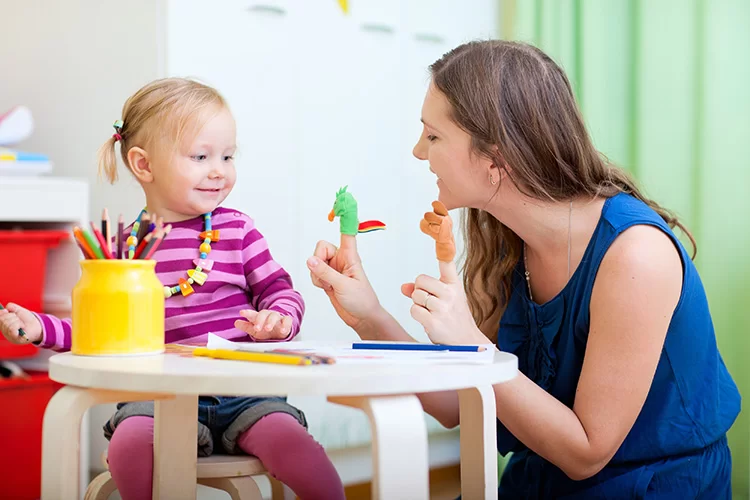
Communication is one of the most critical life skills addressed in ABA therapy. For individuals with limited verbal abilities, ABA specialists may focus on alternative communication methods, such as picture exchange systems or assistive technology. For others, therapy may emphasize conversational skills, understanding social cues, or expressing needs appropriately.
ABA strategies often include:
- Teaching functional communication to reduce frustration
- Expanding vocabulary and sentence structure
- Improving listening and comprehension skills
By strengthening communication, individuals can better advocate for themselves and engage more meaningfully with others.
Building Daily Living and Self-Care Skills
Daily living skills are essential for independence and quality of life. ABA specialists help individuals learn routines that support personal care and household participation. These skills may include dressing, grooming, meal preparation, and basic household tasks.
Through repetition, visual supports, and positive reinforcement, Miami ABA Specialists help learners gain confidence in completing tasks independently. Over time, these skills reduce reliance on caregivers and promote greater self-sufficiency.
Supporting Social and Emotional Development
Social interaction can be challenging for individuals on the autism spectrum. ABA therapy often targets skills such as turn-taking, sharing, understanding emotions, and responding appropriately in social situations.
Specialists may use role-playing, modeling, and real-world practice to teach these behaviors. Emotional regulation is also a key focus, helping individuals recognize feelings, cope with frustration, and use appropriate strategies to manage stress.
Developing these skills supports stronger peer relationships and more positive experiences in school and community environments.
Enhancing Academic and Learning Readiness Skills
While ABA is not a replacement for formal education, it often supports academic success by addressing foundational learning skills. These may include attention, task completion, following instructions, and transitioning between activities.
ABA specialists collaborate with families and educators to ensure that skills taught in therapy align with academic expectations. This coordination helps learners apply what they’ve learned in classroom settings, supporting consistency and progress.
Encouraging Independence and Community Participation
One of the long-term goals of ABA therapy is to promote independence beyond structured therapy sessions. Miami ABA Specialists often work on community-based skills such as navigating public spaces, understanding safety rules, and participating in recreational activities.
These skills allow individuals to engage more fully in their communities, increasing opportunities for social inclusion and personal growth.
Family Involvement and Skill Generalization
Family involvement is a crucial component of effective ABA therapy. Specialists provide guidance and training to caregivers so skills learned during sessions can be practiced consistently at home.
By involving families, ABA programs help ensure that progress extends beyond therapy hours. This collaborative approach supports long-term success and helps families feel more confident in supporting their child’s development.
Choosing a Qualified ABA Provider in Miami
When exploring ABA services, families often look for providers that emphasize ethical practices, individualized care, and data-driven decision-making. Miami ABA Specialists typically work as part of interdisciplinary teams and follow established clinical guidelines to ensure quality and accountability.
If you are looking for Miami ABA Specialists, Behavior Analysis Inc offers evidence-based ABA therapy focused on life skill development.
Frequently Asked Questions (FAQs)
What age groups benefit from ABA therapy?
ABA therapy can benefit individuals of all ages, from early childhood through adulthood. Programs are tailored to developmental level and personal goals.
How long does it take to see progress with ABA?
Progress varies based on individual needs, consistency of therapy, and family involvement. Some skills may develop quickly, while others take more time.
Are ABA skills transferable to real-life situations?
Yes. A key goal of ABA therapy is generalization—applying learned skills across environments such as home, school, and the community.
Do families participate in ABA programs?
Family involvement is strongly encouraged. Caregiver training helps reinforce skills and supports consistent progress.
Is ABA therapy only focused on behavior reduction?
No. While behavior reduction may be part of treatment, ABA primarily focuses on teaching functional, meaningful life skills.
