
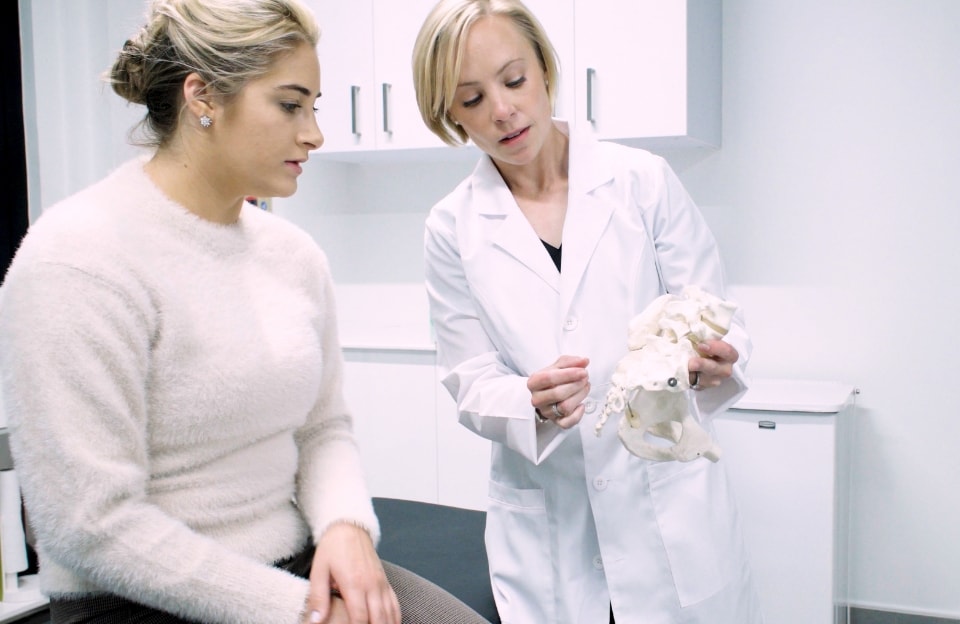
When you decide to fix painful or unsightly veins, one of the first things you probably want to know is how long recovery will take. Modern vein procedures are far less invasive than the surgical options of the past. Today, most patients walk in and walk out of a reputable vein treatment clinic on the same day. Still, the recovery timeline can vary based on the treatment type, your symptoms, and your overall health.
Below, we break down what you can expect during recovery, what affects healing time, and what kind of specialist treats varicose veins so you know you are consulting the right expert. Whether you have spider veins, varicose veins, or venous insufficiency, understanding the healing process helps you plan confidently.
What Happens Right After Vein Treatment?
Most modern vein procedures—such as sclerotherapy, endovenous laser treatment (EVLT), radiofrequency ablation (RFA), and VenaSeal—are minimally invasive. That means the recovery is usually quick.
Immediately after treatment, your specialist will wrap the treated area with compression stockings or bandages. These help improve circulation, reduce swelling, and encourage the veins to seal properly. Most patients can return to normal daily activities, including walking and light household tasks, within a few hours.
The most common sensations right after treatment include:
- Mild tightness
- Minor bruising
- Light soreness
- Gentle pressure
- Slight swelling
These effects are temporary and usually fade within days.
How Long Does Full Recovery Usually Take?
Recovery depends on your treatment, but here is a general overview:
- Sclerotherapy Recovery (Spider & Small Varicose Veins)
Sclerotherapy is one of the fastest-recovery vein procedures. The specialist injects a safe solution into the vein, causing it to collapse and fade.
Average recovery time:
- Resume normal activities: Immediately
- Wear compression stockings: 1–2 weeks
- Full cosmetic results: 3–6 weeks for small veins; up to 3 months for larger ones
- Endovenous Laser Treatment (EVLT) & Radiofrequency Ablation (RFA)
EVLT and RFA are extremely effective for varicose veins caused by venous insufficiency. These treatments close the problematic vein through heat delivered via a tiny catheter.
Average recovery time:
- Resume walking: Immediately
- Return to work: Same day or next day
- Resume exercise: 5–7 days
- Bruising/swelling resolves: 1–2 weeks
- Full healing: 3–6 weeks
- VenaSeal Recovery
VenaSeal uses medical adhesive to seal a diseased vein. Because it does not rely on heat, there is minimal bruising.
Average recovery time:
- Resume normal activities: Immediately
- No need for compression stockings (in most cases)
- Mild soreness: Few days
- Final results: 4–8 weeks
- Ambulatory Phlebectomy
This method removes medium to large bulging veins through tiny incisions.
Average recovery time:
- Resume walking: Immediately
- Return to work: 2–3 days
- Bruising/swelling fades: 1–2 weeks
- Complete healing: 2–4 weeks
- Combination Treatments
Many patients receive a combination of procedures for optimal results.
Average recovery time:
- Return to usual activities: Same day or next day
- Full healing: 4–8 weeks
What Factors Affect Your Recovery Time?
Several things influence how quickly you heal:
- The Type of Vein Being Treated
Spider veins heal faster than large varicose veins.
- Your Overall Health
People with healthy circulation and active lifestyles tend to recover more quickly.
- Following Aftercare Instructions
Wearing compression stockings, walking daily, and avoiding heavy lifting help your veins heal properly.
- Severity of Venous Insufficiency
The more advanced the condition, the longer it may take to achieve complete relief.
- Treatment Technique
Some procedures cause more swelling or bruising than others, but all modern options still offer generally quick recovery.
What Should You Avoid After Vein Treatments?
Although you can return to most activities quickly, your specialist will ask you to avoid:
- Heavy lifting for 48 hours
- High-impact exercise for 5–7 days
- Prolonged sitting or standing without movement
- Hot tubs, saunas, and long hot baths for 1–2 weeks
- Sun exposure on treated areas until bruising fades
These precautions protect the treated vein and improve long-term results.
What Are the Signs of a Successful Recovery?
A smooth recovery often includes:
- Gradual fading of veins
- Reduced aching or heaviness
- Less swelling
- Improved leg comfort during walking
- Fewer nighttime cramps
- Boosted leg appearance and confidence
If you have persistent pain, significant swelling, or unusual symptoms, contact your specialist immediately. However, these issues are rare when you choose a reputable provider such as Vein Treatment Long Island.
What Kind of Specialist Treats Varicose Veins?
When searching for the right expert, you may wonder what kind of specialist treats varicose veins. Today, the most qualified physicians are board-certified vein specialists, often with backgrounds in:
- Interventional radiology
- Vascular surgery
- Interventional cardiology
- Anesthesiology with vein specialization
These specialists receive advanced training in diagnosing and treating venous disorders using minimally invasive procedures. It’s important to choose a physician who focuses exclusively on vein health and uses modern, non-surgical treatments.
A high-quality vein treatment clinic will also provide detailed ultrasound evaluations to ensure they find the root cause of your vein issues, not just treat visible symptoms.
When Should You Expect to See Final Results?
Most patients notice improvements almost immediately, especially in terms of leg heaviness, swelling, and discomfort. Visible improvements may take longer because the body needs time to absorb the closed or removed veins.
For most people, final results appear in:
- Spider veins: 3–8 weeks
- Varicose veins: 1–3 months
- Large, bulging veins: 2–4 months
Results vary, but nearly all modern procedures deliver long-lasting relief with minimal downtime.
How Can You Speed Up Recovery After Vein Treatments?
Here are a few ways to help your legs heal faster:
- Walk several times a day
- Stay hydrated
- Wear compression stockings as recommended
- Avoid sitting or standing for long stretches
- Elevate your legs when resting
- Maintain a healthy weight
- Avoid high heat exposure
- Follow all aftercare instructions carefully
Small lifestyle changes make a big difference in circulation and long-term vein health.
Final Thoughts: How Long Does Recovery Really Take?
Recovery after modern vein treatments is fast, comfortable, and manageable for most patients. Many go back to work the same day, resume activity within hours, and see full results within a few weeks to a few months. The key is choosing an expert provider such as Vein Treatment Long Island, a trusted practice known for top-tier technology and medical expertise.
When you select the right vein treatment clinic and the right specialist, you can expect a smooth recovery, long-lasting results, and healthier legs that feel as good as they look.
