
Acne is a common skin concern that often leaves behind marks or dark spots, also known as post-inflammatory hyperpigmentation. These marks can persist long after the acne itself has healed, making the skin appear uneven and affecting confidence. Many people wonder whether professional care can effectively reduce acne marks. Skin Pigmentation Treatment in Riyadh offers targeted solutions to fade these marks and restore a clearer, smoother complexion.
Understanding how acne marks form and how pigmentation treatments work can help individuals achieve lasting improvements.
What Causes Acne Marks?
Acne marks develop when the skin responds to inflammation caused by acne:
-
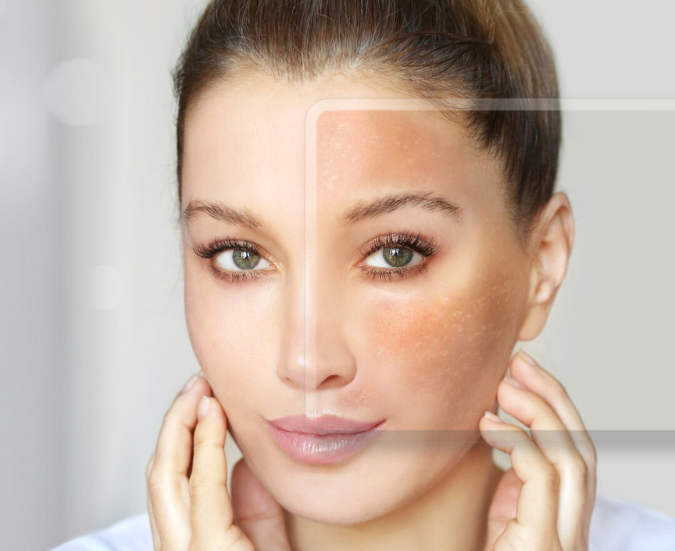
Post-Inflammatory Hyperpigmentation (PIH): Dark spots appear when melanocytes produce excess melanin in response to skin inflammation.
-
Acne Scarring: Deep or severe acne can damage the skin, leaving behind raised or indented scars.
-
Sun Exposure: UV rays can worsen post-acne pigmentation, making marks more noticeable.
-
Skin Picking: Picking or squeezing acne lesions increases the risk of developing dark spots and scars.
Understanding the cause of acne marks is important to determine the most effective treatment strategy.
How Pigmentation Treatments Reduce Acne Marks
Professional pigmentation treatments target excess melanin, stimulate collagen production, and promote skin regeneration, helping to fade acne marks over time.
Laser Therapy
Laser treatments precisely target pigmentation without damaging surrounding skin. For acne marks, fractional and picosecond lasers are particularly effective, breaking down pigment and promoting skin healing while improving texture.
Chemical Peels
Chemical peels exfoliate the outer layer of skin, removing damaged or pigmented cells. Superficial peels are ideal for mild acne marks, while medium-depth peels address deeper pigmentation and uneven skin texture.
Microneedling
Microneedling stimulates collagen production and enhances the absorption of topical treatments, reducing acne marks and improving skin smoothness. Multiple sessions often yield the best results.
Topical Treatments
Prescription creams and serums containing ingredients such as retinoids, vitamin C, niacinamide, or hydroquinone complement professional procedures. They help lighten pigmentation and prevent new acne marks from forming.
Benefits of Treating Acne Marks
Reducing acne marks through professional pigmentation treatments offers several advantages:
-
Improved Skin Appearance: Fades dark spots and scars, restoring a clearer complexion.
-
Smoother Texture: Collagen stimulation and exfoliation improve overall skin feel.
-
Boosted Confidence: Clearer skin enhances self-esteem and appearance.
-
Preventive Care: Treatments often include strategies to reduce future pigmentation and scarring.
Post-Treatment Care for Acne Marks
Proper post-treatment care ensures optimal results and prevents recurrence:
-
Apply broad-spectrum sunscreen daily to protect treated areas from UV damage.
-
Avoid picking or scratching the skin to prevent new marks.
-
Follow dermatologist-recommended topical treatments to support healing.
-
Maintain gentle skincare routines to prevent irritation.
Who Can Benefit?
Individuals with acne marks, post-inflammatory pigmentation, or mild scarring can benefit from professional pigmentation treatments. These treatments are suitable for all skin types and can be tailored for specific pigmentation severity.
For residents in Riyadh, Enfield Royal Clinic provides advanced skin pigmentation treatments designed to reduce acne marks and improve overall skin tone and texture. Their experienced dermatologists create personalized plans using modern techniques to ensure safe, effective, and lasting results.
Professional pigmentation treatments can effectively reduce acne marks, fade dark spots, and improve skin texture, restoring a smoother, clearer, and more radiant complexion when combined with proper care and maintenance.
