
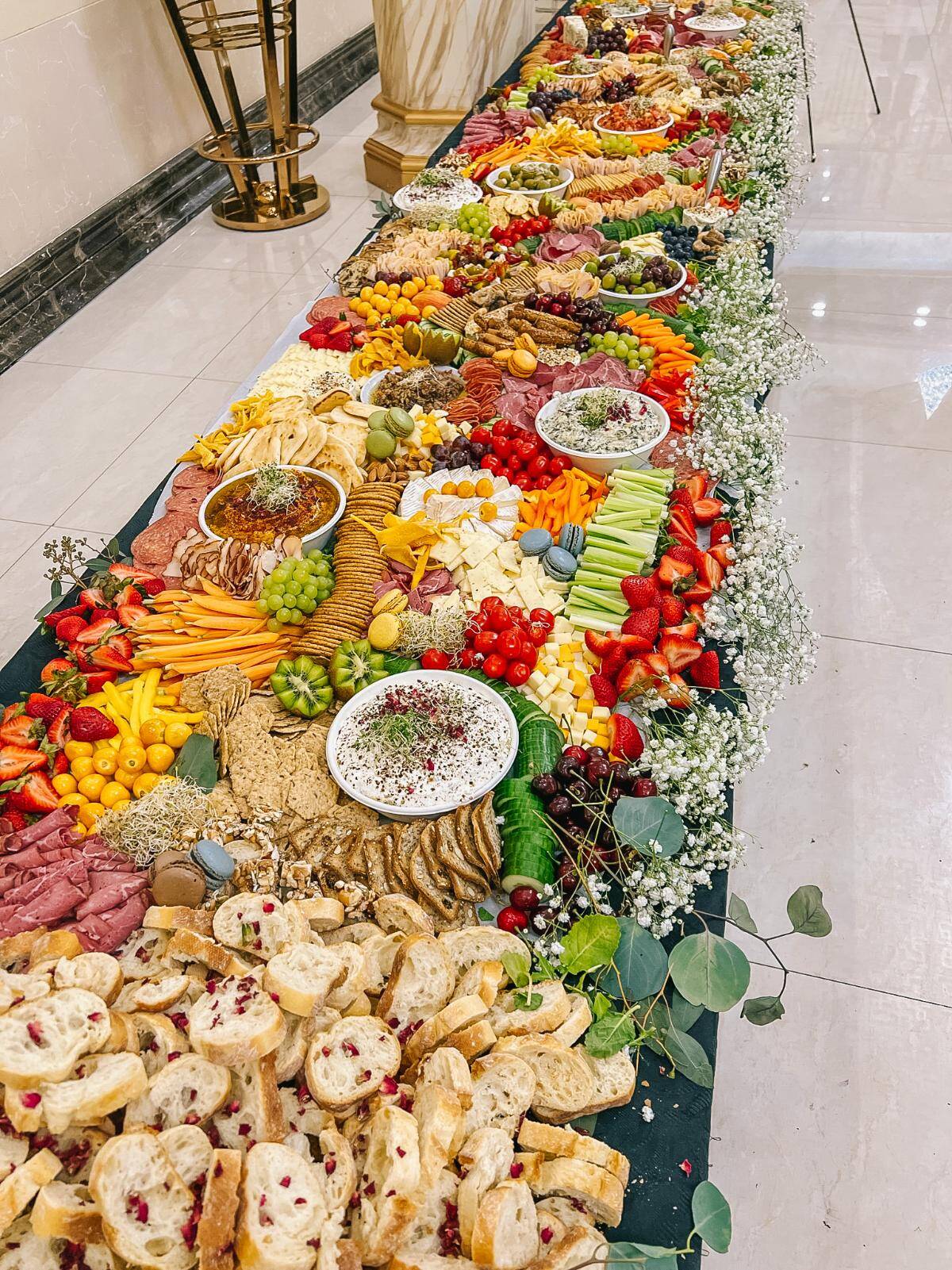
When it comes to feeding a group at an office event, corporate lunch, or small gathering, the choice between traditional catering and a charcuterie board can feel overwhelming. Both options bring something unique to the table, but understanding what works best for your guests, budget, and setting is key.
Charcuterie boards have grown in popularity as people look for fresh, visually appealing, and versatile food options. Traditional catering, on the other hand, has been a long-standing choice for corporate and social events. Let’s break down the differences to help you make an informed choice.
What Makes Charcuterie Boards Special
Charcuterie boards are not just food—they’re an experience. A well-crafted board combines textures, colors, and flavors in a way that feels curated and thoughtful.
Here’s why a charcuterie board in Toronto is gaining attention:
- Variety in Every Bite: Boards feature cheeses, cooked meats, fruits, nuts, crackers, and dips, giving guests multiple flavor combinations.
- Diet-Friendly Options: Whether your attendees are vegetarian, vegan, or need halal food, boards can easily accommodate everyone without feeling limited.
- Freshness and Presentation: Every item is carefully chosen and arranged, making the board both tasty and visually appealing.
- Convenience: Many companies in Ontario offer same-day charcuterie board catering, making it easy to handle last-minute office events.
When you serve a charcuterie board, it encourages mingling and sharing. Guests can pick and choose what they enjoy, which reduces waste and ensures everyone gets something they like.
Traditional Catering: The Classic Choice
Traditional catering often includes plated meals, buffet-style setups, or boxed lunches. This option is familiar and reliable, especially for events where timing and portion control matter.
Benefits of traditional catering include:
- Structured Meals: Everyone gets a designated portion, which can be important for formal events or when tracking dietary requirements.
- Warm and Comforting Food: Hot dishes and familiar items are comforting, especially for events during colder months.
- Large-Scale Serving: Traditional catering works well for big events where feeding many people quickly is a priority.
However, traditional catering can sometimes feel impersonal. Plates or buffet trays may be generic, and variety is often limited unless you invest significantly.
Charcuterie Boards vs Traditional Catering: Key Differences
Let’s compare both options side by side to see what works best for your event.
| Feature | Charcuterie Board | Traditional Catering |
| Presentation | Visually stunning, encourages sharing | Functional, may not be as visually engaging |
| Variety | Cheeses, meats, fruits, nuts, dips; easy to adjust for diets | Typically fixed menu; limited flexibility |
| Dietary Options | Vegetarian, vegan, halal-friendly options | May require separate arrangements |
| Ease of Serving | Grab-and-go style, casual and social | Requires plates, utensils, and serving staff |
| Guest Interaction | Encourages mingling and conversation | Guests are seated, limited interaction over food |
| Flexibility | Easy to scale for small or large groups | Often designed for a specific number of guests |
Why Charcuterie Board Catering Works for Corporate Events
Corporate events often demand a balance between professionalism and approachability. This is where charcuterie board catering in Ontario shines:
- Impress Without Overcomplicating: A beautifully arranged board can make a simple office lunch feel special without the need for elaborate setup.
- Covers All Diets Smoothly: With halal, vegetarian, and vegan options, everyone feels considered and included.
- Perfect for Networking: Guests can snack while walking around or mingling, making it ideal for informal networking or meetings.
- Customizable for Any Event: Boards can be tailored for the size of your group, the type of office event, and the flavor preferences of your guests.
Mini snack cups or small individual trays also allow employees to enjoy their lunch without worry about sharing or portioning. Large boards work well for team gatherings, encouraging interaction and conversation.
When Traditional Catering Still Makes Sense
Despite the growing popularity of charcuterie boards, traditional catering remains valuable in certain situations:
- Formal Corporate Dinners: Events with a set agenda or seating plan often benefit from plated meals.
- Time-Sensitive Lunches: When you need to serve a lot of people efficiently, boxed or buffet-style meals can be quicker.
- Comfort Food Appeal: If your team prefers hot meals or traditional dishes, classic catering provides that familiarity.
Ultimately, the best choice depends on the type of event and the experience you want your guests to have.
Making Your Choice: What Works Best
If your goal is to impress, create conversation, and offer variety without hassle, a charcuterie board in Toronto or Ontario is a smart choice. Its flexibility, visual appeal, and diet-friendly options make it a standout.
If your priority is efficiency, comfort, and traditional plating, catering might be more suitable.
Quick points to consider before deciding:
- Who are your guests and what are their dietary needs?
- Do you want your food to be a conversation starter?
- How much time do you have for setup and serving?
- Are you looking for a casual or formal vibe?
The Bottom Line:
Charcuterie boards are not just trendy—they are practical, inclusive, and perfect for modern corporate events. They bring people together, accommodate multiple diets, and turn food into a shared experience. Traditional catering continues to serve its purpose for formal settings or events requiring structured meals.
When planning your next corporate lunch or office event, consider what matters most: presentation, variety, inclusivity, and the overall experience. A charcuterie board in Toronto could be the perfect choice for a modern, thoughtful, and engaging spread that everyone remembers.
