
If you are considering removing a tattoo, you might wonder whether all ink colors respond the same way. In most cases, black tattoos are easier to remove than colored ones. Modern Laser Tattoo Removal in Riyadh uses advanced technology to target pigments, but understanding why black ink responds better can help set realistic expectations for your treatment journey.
Why Black Ink Fades More Easily
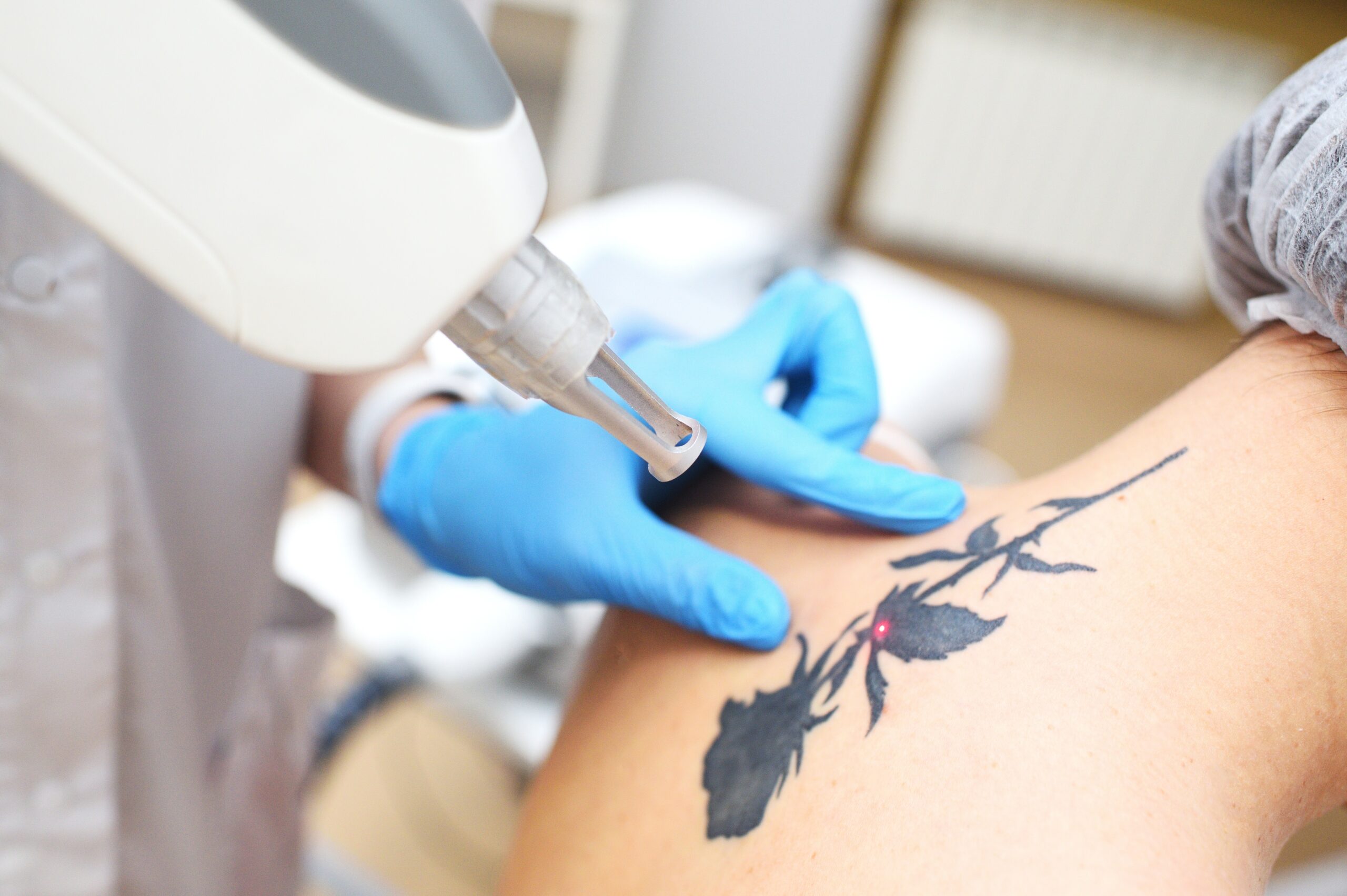
Black ink absorbs the full spectrum of laser wavelengths, making it highly responsive to treatment. When the laser targets black pigment, it effectively breaks it down into smaller fragments that your immune system can remove.
In contrast, colored inks reflect or scatter certain wavelengths of light, which can make them more resistant to standard lasers. This is why black tattoos often require fewer sessions for significant fading.
Colored Tattoos and Their Challenges
Different ink colors respond differently to laser treatment:
-
Red Ink: Requires specific wavelengths to break down effectively and may take more sessions.
-
Blue and Green Inks: Often stubborn and may need specialized lasers or longer treatment times.
-
Yellow and Pastel Shades: Typically the most difficult to remove, sometimes leaving faint traces.
The complexity of colored tattoos often means more sessions and careful selection of laser wavelengths to achieve optimal results.
Factors That Influence Removal of Any Color
While color plays a major role, other factors also affect tattoo removal success:
1. Tattoo Age
Older tattoos tend to fade faster, regardless of color, because the ink particles have partially broken down over time.
2. Ink Density and Depth
Heavily saturated or professionally applied tattoos, whether black or colored, generally require more sessions.
3. Skin Type
Darker skin tones may require adjusted laser settings to safely target the ink without affecting natural pigmentation.
4. Laser Technology
Modern lasers, such as picosecond and Q-switched systems, are designed to handle multiple ink colors efficiently, improving outcomes for colored tattoos.
Number of Sessions Required
Black tattoos often require fewer sessions (typically 4–8), while colored tattoos can need more (6–12 or more), depending on the complexity of the design and shades used. Multiple sessions spaced 6–8 weeks apart are essential for safe healing and effective ink removal.
Aftercare for Black and Colored Tattoos
Proper aftercare is crucial for all tattoos to ensure effective removal and reduce the risk of complications:
-
Keep the treated area clean and protected
-
Avoid sun exposure or tanning beds
-
Do not scratch or pick at scabs or blisters
-
Follow instructions from your specialist
Good aftercare supports the immune system in clearing ink particles more efficiently.
Advanced Laser Technology for Colored Tattoos
Picosecond lasers have made significant progress in removing stubborn colored tattoos. By delivering ultra-fast pulses, these lasers break ink particles more effectively, even in challenging shades. This innovation has improved outcomes for colored tattoos that were once difficult to remove.
Professional Expertise Matters
Regardless of tattoo color, a skilled specialist ensures:
-
The correct laser wavelength is chosen
-
Appropriate energy settings are applied for safe treatment
-
Healing is monitored, and aftercare guidance is provided
Professional expertise reduces the number of sessions needed and enhances safety for all skin types.
Conclusion
Black tattoos are generally easier to remove because they absorb laser energy more effectively, while colored tattoos may require additional sessions and specialized lasers. Factors like tattoo age, ink density, and skin type also influence results. For residents in Riyadh seeking expert tattoo removal for black or colored designs, Enfield Royal Clinic provides advanced laser systems and personalized care to achieve safe, effective, and satisfying results.
