
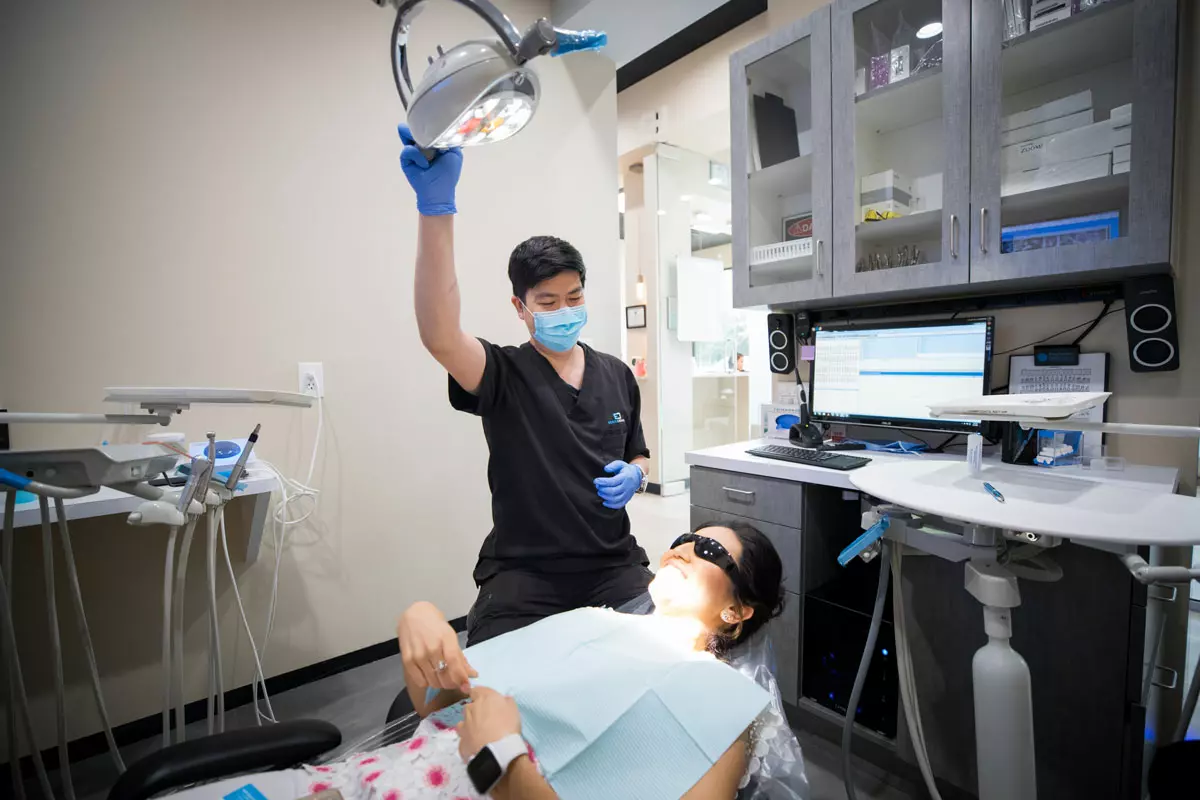
When it comes to restoring damaged teeth without resorting to full crowns, inlays and onlays offer a durable and aesthetically pleasing solution. Patients searching for inlays onlays Houston often want to know which materials are best for these procedures and how each option can impact the longevity and appearance of their dental restorations. At Edge Dental, we prioritize both functionality and aesthetics, ensuring that every patient receives a tailored solution that fits their dental health needs.
What Are Inlays and Onlays?
Before exploring the materials, it’s important to understand what inlays and onlays are. Both are indirect restorations used to repair damaged or decayed teeth, typically in the back molars where chewing forces are greatest.
- Inlays are designed to fit within the cusps of a tooth, essentially filling a cavity without covering the outer edges.
- Onlays are more extensive and can cover one or more cusps of a tooth, making them suitable for larger areas of damage.
Both inlays and onlays are fabricated outside the mouth in a dental laboratory and then bonded to the tooth with precision, providing a stronger and longer-lasting solution compared to traditional fillings.
Which Materials Are Commonly Used for Inlays and Onlays?
In modern dentistry, several materials are available for inlays and onlays, each with unique benefits. The most commonly used include:
- Porcelain
Porcelain is a popular choice due to its natural appearance and ability to mimic the color and translucency of natural teeth.
Benefits of Porcelain Inlays and Onlays:
- Aesthetic appeal: Blends seamlessly with surrounding teeth.
- Durability: Resistant to staining and wear.
- Customizable: Can be tailored to match any tooth shade.
Porcelain inlays and onlays are ideal for patients who want restorations that are virtually indistinguishable from their natural teeth. At Edge Dental, we ensure that each porcelain restoration is carefully shaded and contoured to achieve a natural look.
- Composite Resin
Composite resin is another material used for inlays and onlays, primarily when a more conservative approach is desired.
Benefits of Composite Resin:
- Conservative preparation: Less tooth structure needs to be removed.
- Bonding strength: Bonds well to the tooth, enhancing durability.
- Quick adjustments: Can be shaped and polished easily after placement.
Composite resin is cost-effective and offers a good balance between aesthetics and function. It’s particularly suitable for smaller restorations where strength is important but a natural look is a priority.
- Gold
Gold has been used in dentistry for decades due to its exceptional strength and longevity.
Benefits of Gold Inlays and Onlays:
- Durability: Can last 20 years or more with proper care.
- Biocompatibility: Rarely causes irritation or allergic reactions.
- Precision fit: Custom-made gold restorations offer a perfect fit that resists wear.
While gold may not match the natural color of teeth, its unmatched durability makes it a practical choice for back molars that endure significant chewing forces. Patients seeking Partial Dentures Houston may also consider gold restorations when planning for long-term dental health, as gold can work in conjunction with other restorative appliances.
- Ceramic
Ceramic materials, such as lithium disilicate, are becoming increasingly popular due to their combination of strength and aesthetics.
Benefits of Ceramic Inlays and Onlays:
- Natural appearance: Can be closely matched to tooth color.
- High strength: Stronger than traditional porcelain, suitable for high-stress areas.
- Stain resistance: Maintains its color over time.
Ceramic inlays and onlays are ideal for patients who need a strong, long-lasting solution while maintaining a natural tooth appearance.
- Hybrid Materials
Some dental practices use hybrid materials that combine porcelain with resin or other composites to achieve both strength and aesthetic appeal.
Benefits of Hybrid Materials:
- Balanced properties: Offers both durability and natural-looking appearance.
- Less invasive: Requires minimal removal of natural tooth structure.
- Cost-effective: Often less expensive than full porcelain restorations.
Hybrid materials can be a practical option for patients seeking an affordable solution without compromising quality or appearance.
How Does Material Choice Affect Longevity?
The lifespan of an inlay or onlay depends heavily on the material chosen, oral hygiene habits, and the amount of stress on the restored tooth.
- Gold restorations tend to last the longest, often exceeding 20 years.
- Porcelain and ceramic typically last 10-15 years with proper care.
- Composite resin may last 5-10 years before requiring replacement.
At Edge Dental, we provide guidance to patients about which material will best suit their dental needs, lifestyle, and budget. Patients often combine inlays or onlays with other treatments like Partial Dentures Houston to restore full oral functionality.
Are There Specific Materials Better for Certain Teeth?
Yes, the location of the tooth and the amount of chewing stress play a significant role in material selection:
- Back molars: Gold or ceramic is often preferred due to their strength and resistance to wear.
- Front teeth: Porcelain or composite resin is ideal for aesthetics and color matching.
- Teeth adjacent to partial dentures: Strong, durable materials like gold or ceramic help maintain the integrity of the bite when used alongside dental appliances.
Choosing the right material ensures that the restoration not only looks natural but also functions effectively for years.
How Does the Procedure Work at a Houston Dental Clinic?
- Consultation: Your dentist evaluates the tooth damage and discusses material options.
- Tooth Preparation: The decayed or damaged area is cleaned, and the tooth is shaped to accommodate the inlay or onlay.
- Impression: An impression or digital scan is taken to create a precise model for the lab.
- Temporary Restoration: A temporary inlay or onlay protects the tooth while the permanent restoration is fabricated.
- Bonding: The permanent inlay or onlay is cemented to the tooth using a strong dental adhesive.
- Polishing and Adjustment: The restoration is polished and adjusted to ensure a perfect fit and bite.
Patients often notice improved chewing ability, reduced sensitivity, and a restored natural appearance after treatment.
Why Choose Edge Dental for Inlays and Onlays in Houston?
At Edge Dental, we combine advanced technology with expert craftsmanship to ensure every restoration meets the highest standards of quality and aesthetics. Our team works closely with each patient to select the right material for their unique needs, ensuring long-lasting results.
Additionally, our practice provides complementary services such as Partial Dentures Houston, allowing patients to maintain full oral function while restoring damaged teeth. Choosing Edge Dental means choosing precision, comfort, and a smile that lasts.
Conclusion
Understanding the different materials used for inlays onlays Houston can help patients make informed decisions about their dental health. Porcelain, composite resin, gold, ceramic, and hybrid materials all offer distinct benefits, and the right choice depends on factors like tooth location, chewing pressure, aesthetic preference, and budget.
By consulting with experienced dentists at Edge Dental, patients receive personalized recommendations and restorations that not only enhance the appearance of their teeth but also improve functionality. Whether you are considering an inlay, onlay, or exploring options for Partial Dentures Houston, Edge Dental ensures that every treatment is designed for optimal comfort, durability, and satisfaction.
