
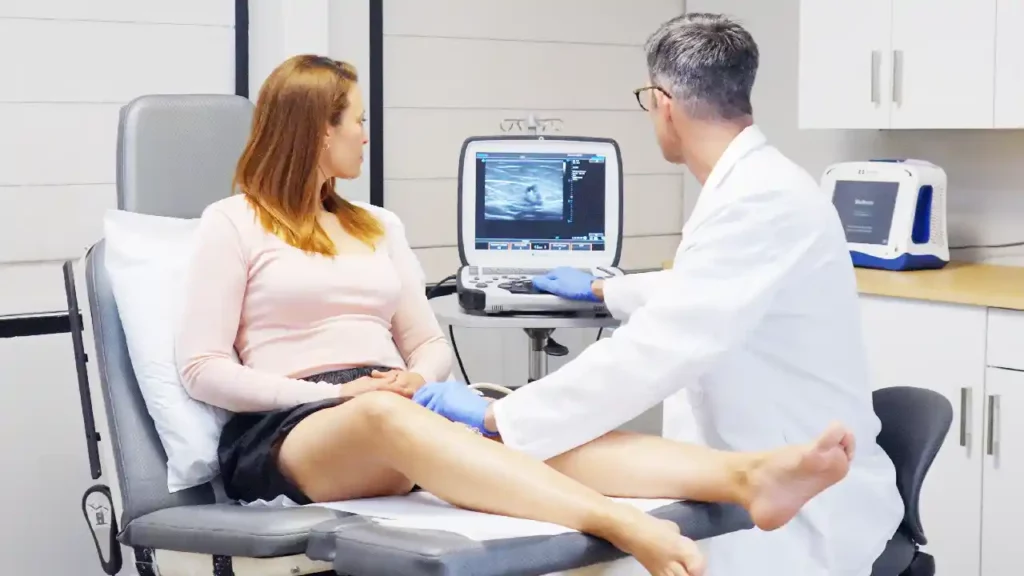
Varicose veins are swollen, twisted veins that often appear on the legs. Many people notice them as bulging, blue or purple veins, sometimes accompanied by pain, itching, or a feeling of heaviness in the legs. If you are wondering what kind of doctor treats varicose veins, you may be surprised to learn that dermatologists play a role—but their approach is often limited. This article explores the role of dermatologists in varicose vein care, when they treat patients, and when referrals are necessary.
What Type of Doctor Treats Varicose Veins?
Before deciding whether to visit a dermatologist, it’s important to understand what type of doctor treats varicose veins. Varicose veins are primarily a vascular issue, caused by weakened or damaged vein valves that result in blood pooling in the legs. This makes the main specialists for varicose veins vascular surgeons, interventional radiologists, or phlebologists.
- Vascular surgeons specialize in veins and arteries and can perform surgical procedures to remove or repair problematic veins.
- Phlebologists are doctors who focus specifically on vein health and minimally invasive treatments.
- Interventional radiologists often use imaging techniques to guide catheter-based treatments for varicose veins.
Dermatologists, on the other hand, are experts in skin health. They may treat visible superficial veins for cosmetic reasons but generally refer patients to vascular specialists for functional or medical treatment.
When Dermatologists Treat Varicose Veins
Dermatologists may treat varicose veins under certain circumstances, usually when the concern is cosmetic rather than medical. Treatments often include:
- Sclerotherapy – This involves injecting a solution into small varicose veins or spider veins to cause them to collapse. Dermatologists frequently perform this procedure to improve the appearance of the legs.
- Laser Therapy – Non-invasive laser treatments can target small surface veins, reducing redness and visible veins.
- Skin Health Management – Dermatologists can provide care for skin changes caused by varicose veins, such as pigmentation changes, rashes, or ulcers.
However, dermatologists usually do not perform complex vein surgery or treat deep venous insufficiency. If a patient shows signs of leg swelling, pain, skin ulcers, or risk of blood clots, the dermatologist will refer them to a vascular specialist or vein treatment center.
Why Referral is Often Necessary
Understanding why dermatologists refer patients is key. Varicose veins can sometimes indicate serious vascular issues, including:
- Chronic venous insufficiency
- Blood clots (deep vein thrombosis)
- Risk of bleeding or infection
Since dermatologists focus primarily on the skin, they may not have the full tools to assess vein function. For safe and effective treatment, referral to a specialized doctor ensures:
- Proper Diagnosis – Using duplex ultrasound or other imaging tests to check vein function.
- Appropriate Treatment – Minimally invasive procedures, laser ablation, or surgical removal if necessary.
- Monitoring and Prevention – Preventing recurrence and managing underlying vascular conditions.
For patients looking for advanced care, Vein Treatment California offers comprehensive evaluation and minimally invasive treatment options, ensuring both cosmetic and medical concerns are addressed.
Signs You Should See a Vascular Specialist
If you notice the following symptoms, a dermatologist alone may not be enough. Instead, you should consult a specialist who knows what kind of doctor treats varicose veins medically:
- Leg pain, cramping, or heaviness
- Swelling that worsens at the end of the day
- Open sores or ulcers near the ankle
- Veins that are rapidly enlarging or changing color
- History of blood clots
These are warning signs that the vein problem is more than skin deep. A vascular specialist or phlebologist can assess the veins’ function, recommend treatment, and prevent complications.
How Dermatologists and Vascular Specialists Work Together
In many cases, dermatologists and vascular specialists collaborate. Here’s how:
- Cosmetic vs. Medical Goals – A vascular specialist addresses the underlying vein disease, while a dermatologist can refine the appearance of residual surface veins.
- Sequential Treatment – After the underlying veins are treated, dermatologists may perform sclerotherapy or laser treatments to remove any remaining spider veins.
- Patient Education – Dermatologists can advise on skin care, compression stockings, and lifestyle adjustments to maintain healthy legs.
This combined approach ensures patients receive both functional relief and aesthetic improvement, which is why centers like Vein Treatment California emphasize coordinated care.Frequently Asked Questions
Can dermatologists perform varicose vein surgery?
No. Dermatologists generally do not perform invasive vein surgery. Their role is limited to cosmetic procedures or treating minor skin complications caused by varicose veins.
Is sclerotherapy safe at a dermatologist’s office?
Yes. Sclerotherapy is a common outpatient procedure and is safe when performed by a trained dermatologist. However, deeper vein issues should first be evaluated by a vascular specialist.
Will insurance cover varicose vein treatment at a dermatologist?
Insurance typically covers medical treatment for varicose veins only if there is a documented medical necessity, such as pain, swelling, or ulcers. Cosmetic treatments are usually self-pay.
Conclusion
So, do dermatologists treat varicose veins or refer patients? The answer is both. Dermatologists can address cosmetic concerns and skin complications, but when varicose veins pose medical risks or require surgical intervention, they refer patients to specialists who know what type of doctor treats varicose veins comprehensively.
Understanding the roles of different specialists ensures you receive the right treatment at the right time, preventing complications and improving the appearance of your legs. For comprehensive evaluation and treatment options, Vein Treatment California provides advanced minimally invasive procedures, blending medical expertise with aesthetic care.
By consulting both dermatologists and vascular specialists, patients can achieve the best outcomes—healthy, pain-free legs with improved appearance.
