
For families who regularly enjoy beef, buying in bulk can be a game-changing decision that saves plutocrat, ensures quality, and provides peace of mind about where your meat comes from. When you buy beef in bulk directly from an estate or original butcher, you are investing in advanced-quality protein while frequently paying lower per pound than grocery store prices. This comprehensive companion will walk you through everything you need to know about copping beef in larger amounts, from understanding different buying options to storing your investment duly. Whether you are a seasoned home cook or simply looking to make smarter food copping opinions, bulk beef buying offers multitudinous advantages worth exploring.
Understanding Your Bulk Beef Options
When it comes to copping beef in bulk, you generally have three main options a whole cow, half cow, or quarter cow. Each option suits different ménage sizes, storehouse capacities, and budgets.
A whole cow provides roughly 400-500 pounds of packaged beef, depending on the beast’s size and how it’s reused. This option works best for large families, those who entertain constantly, or multiple families copping together. A half cow yields roughly 200-250 pounds of meat and represents the sweet spot for numerous homes — enough variety to keep refections intriguing without overwhelming your freezer space. A quarter cow, furnishing 100-125 pounds, suits lower families or those new to bulk buying who want to test the waters before committing to larger purchases.
Beyond these standard divisions, some drovers offer mixed boxes or samplings that include colorful cuts in lower amounts. These packages give you a taste of different options without the commitment of copping a total, half, or quarter beast.
The Financial Benefits of Buying Bulk
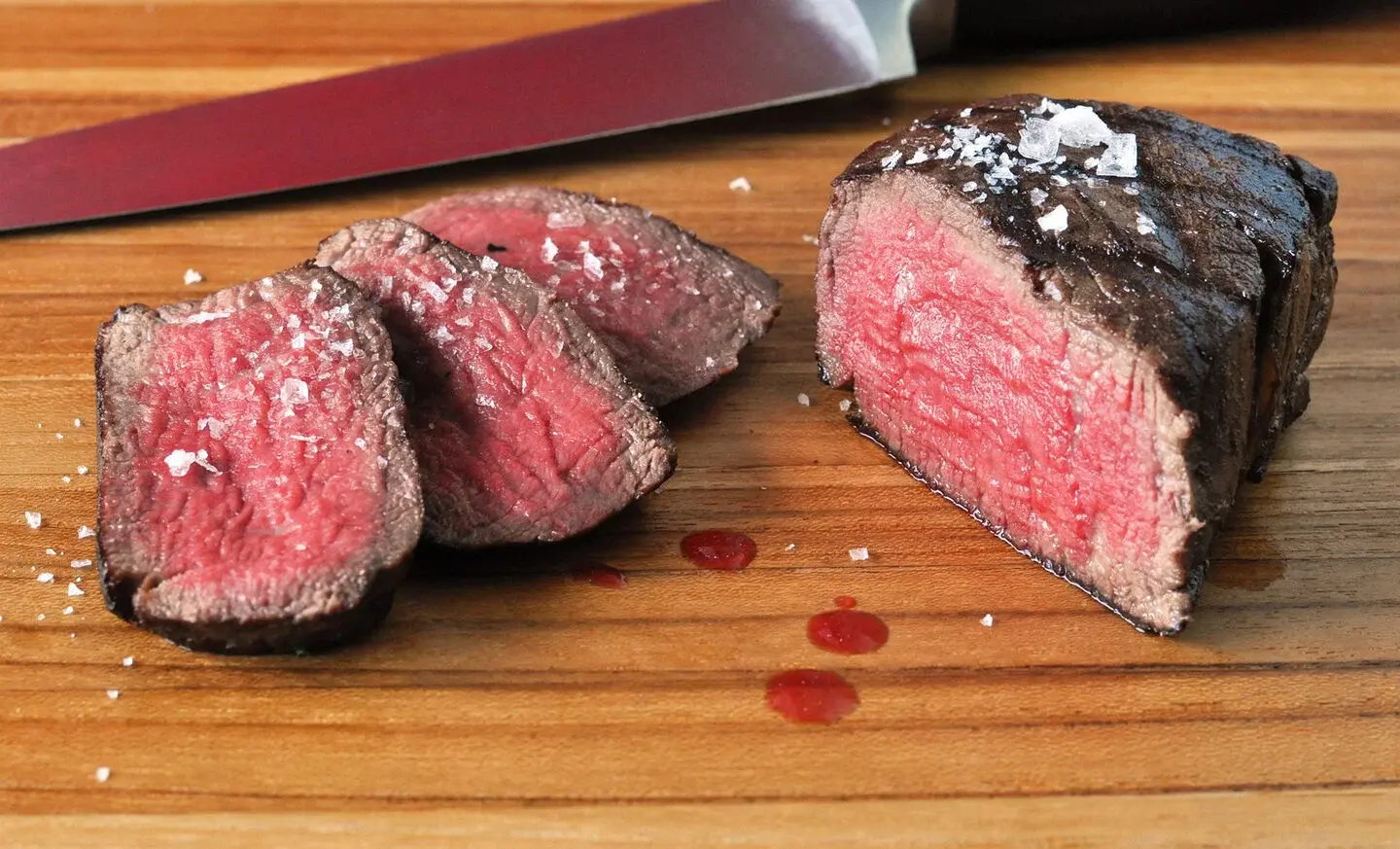
The primary provocation for utmost people considering bulk beef purchases is cost savings. When you exclude the mediator and buy directly from a estate or through a original botcher, you can save 20-40 compared to grocery store prices, especially for decoration cuts like ribeyes, sink, and strip steaks.
Consider this decoration steaks at the grocery store frequently bring fifteen to twenty-five bones per pound or further. When buying bulk, your per-pound cost pars significantly lower across all cuts because you are copping everything — from ground beef to decoration steaks — at one whisked price. While you will pay further outspoken, the long-term savings add up snappily for families who regularly consume beef.
also, bulk buying cinches in your price, guarding you from request oscillations and seasonal price increases. During times of force chain dislocations or affectation, having a freezer full of beef bought at a set price provides both fiscal security and peace of mind.
Quality Considerations and Questions to Ask
Not all beef is created equal, and buying in bulk gives you the occasion to be picky about quality. When sourcing your beef, ask important questions about how the cattle were raised. Were they lawn-fed, grain-finished, or simply lawn-fed? Lawn-fed beef tends to be slender with a further distinct flavor, while grain-finished beef offers further marbling and tenderheartedness.
Interrogate about whether the cattle were raised without hormones or antibiotics. numerous small granges flatter themselves on natural caregiving practices that affect in healthier, more-tasting meat. Understanding the beast’s diet and living conditions helps you make informed opinions aligned with your values and taste preferences.
Ask about the aging process as well. Dry-aged beef develops more complex flavors and tenderheartedness but comes at a decoration price. Wet-aged beef, which is more common, still offers good flavor and tenderheartedness at a lower cost. utmost bulk beef purchases involve wet-aging, but it’s worth attesting the process used.
Do not vacillate to request information about the estate’s practices, instruments, and indeed visit the property if possible. estimable drovers drink translucency and take pride in showing how their cattle are raised.
Storage Conditions and Planning
Before committing to a bulk beef purchase, assess your storehouse capacity really. A quarter cow requires roughly 4-5 boxy bases of freezer space, a half cow needs 8-10 boxy bases, and a whole cow demands 16-20 boxy bases. Standard refrigerator freezers generally offer only 5-7 boxy bases, making them inadequate for anything beyond a small quarter cow.
utmost bulk beef buyers invest in a standalone casket freezer or upright freezer. casket freezers are generally more energy-effective and maintain temperature more during power outages, while upright freezers offer easier association and access. A 7-10 boxy bottom casket freezer handles a half cow comfortably and costs between two hundred and four hundred bones, paying for itself through savings on bulk purchases.
Proper association is pivotal. Marker all packages easily with cut type and date, and use freezer baskets or separations to separate ground beef from steaks and repasts. Creating an force list taped to your freezer helps track what you have and prevents forgotten cuts from sagging at the bottom.
Beef duly stored at 0°F or below maintains quality for 12-18 months, though ground beef is stylish used within 4-6 months for optimal flavor. Vacuum-sealed packaging extends these timeframes and prevents freezer burn better than traditional botcher paper.
The Ordering and Processing Timeline
Understanding the timeline for bulk beef purchases helps set proper prospects. The process generally takes 2-4 weeks from deposit to volley, though this varies by estate and botcher vacuity.
First, you will place your order and generally pay a deposit. The estate schedules the beast for processing at a USDA-audited or custom-pure installation. Processing itself takes 1-2 weeks, during which the beef is butchered according to your specifications and duly aged.
utmost granges give a cut distance where you specify preferences steak consistence, repast sizes, how important meat you want ground versus cubed, whether you want haze bones, organ flesh, and other details. Do not rush through this form it determines exactly what you will receive.However, ask for standard cuts or request the estate’s recommendations, If you are doubtful.
After processing, you will admit announcement that your beef is ready for volley. Some granges deliver for an fresh figure, while others bear volley at their position or the processing installation. Bring plenitude of coolers or insulated bags for transport, especially during warm rainfall.
Understanding the True Cost Breakdown
When calculating bulk beef costs, consider all factors involved. The hanging weight (the weight after original processing but before final slice and trouncing) serves as the base for pricing. Anticipate to pay the estate a certain quantum per pound of hanging weight, plus processing freights to the botcher.
For illustration, if a half cow has a hanging weight of 300 pounds at four bones per pound, you will pay the estate twelve hundred bones. Processing freights generally add another bone to bone-fifty per pound for slice, wrapping, and freezing, adding another three hundred to four hundred fifty bones. Your total investment might be fifteen hundred to sixteen hundred fifty bones for roughly 200 pounds of packaged beef, comprising seven-fifty to eight-twenty-five per pound — a significant savings compared to retail prices for analogous quality.
Get Started with Quality Bulk Beef from Blessings Ranch TX
still, Blessings Ranch TX offers excellent options for meat suckers seeking quality and value, If you are ready to witness the benefits of buying beef in bulk and want to work with a trusted source. Their comprehensive bulk beef program provides detailed information about half cow cost, processing options, and estate practices at Blessings Ranch TX’s website. Blessings Ranch TX takes pride in raising cattle using sustainable, humane practices that affect in superior-tasting beef. Their transparent approach means you will know exactly what you are getting, from how the creatures were raised to what cuts you will admit. Whether you are interested in a quarter, half, or whole cow, their platoon attendants you through the entire process, making bulk beef buying accessible indeed for first-timekeepers. Visit their bulk beef information runner to learn further about current vacuity, pricing, and how to place your order for ultraexpensive Texas beef delivered straight from estate to your freezer.
Conclusion
Buying beef in bulk represents a smart investment for families who value quality, sustainability, and cost savings. While the outspoken commitment requires planning and medication, the benefits — from significant fiscal savings to superior meat quality and supporting original husbandry — make it worthwhile for numerous homes. By understanding your options, asking the right questions, icing acceptable storehouse, and working with estimable granges, you can enjoy eatery-quality beef at home while knowing exactly where your food comes from. Take the vault into bulk beef buying and discover how this approach can transfigure your mess planning, budget, and appreciation for high-quality protein that nourishes your family for months to come.
