
Laser tattoo removal has emerged as the most advanced and effective method for eliminating unwanted tattoos. Those considering Laser Tattoo Removal often want to understand the scientific principles that make this treatment successful. By examining how lasers interact with tattoo ink, the role of the body’s immune system, and technological advancements, patients can gain a clearer picture of why multiple sessions are necessary and how optimal results are achieved.
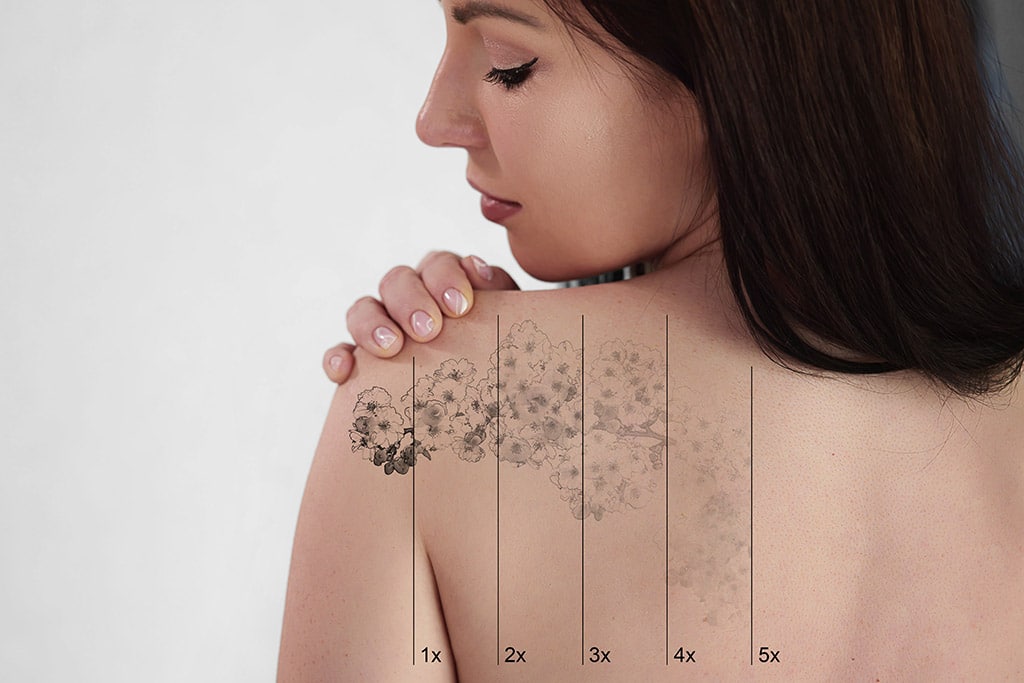
How Lasers Break Down Ink:
Laser tattoo removal relies on the principle of selective photothermolysis, where targeted light energy is absorbed by tattoo pigments without harming surrounding skin.
-
Specific wavelengths of laser light are absorbed by different ink colors.
-
High-intensity pulses fragment ink particles into smaller pieces.
-
Smaller ink fragments are gradually removed by the body’s natural processes.
The Role of the Immune System:
Effective tattoo removal depends not just on the laser but also on the body’s immune response to eliminate broken-down ink particles.
-
Macrophages in the skin engulf fragmented ink particles.
-
The lymphatic system transports these particles away from the treated area.
-
Strong immune function supports faster and more complete ink removal.
Importance of Wavelength Selection:
Different tattoo colors require different laser wavelengths to ensure safe and effective removal.
-
Black and dark blue inks absorb a broad spectrum of wavelengths and respond most efficiently.
-
Red, green, and yellow inks require specific wavelengths for effective fragmentation.
-
Modern laser systems often combine multiple wavelengths for multicolored tattoos.
Pulse Duration and Its Impact:
The duration of each laser pulse, measured in nanoseconds or picoseconds, influences how effectively ink particles are broken down.
-
Shorter pulse durations reduce heat spread and minimize skin damage.
-
Picosecond lasers deliver ultra-short pulses for quicker, more precise ink fragmentation.
-
Longer pulse durations are less effective for modern, deeply pigmented inks.
Skin Type Considerations:
Skin tone and type affect how laser energy interacts with both the ink and surrounding tissue, impacting safety and results.
-
Fair skin absorbs less background light, allowing more energy to target ink.
-
Darker skin tones require careful adjustment to prevent burns or pigmentation changes.
-
Customizing settings for skin type ensures effective and safe treatment.
Number of Sessions Required:
The science of laser ink breakdown explains why multiple sessions are typically necessary for complete tattoo removal.
-
Ink fragmentation occurs gradually, with each session breaking particles into smaller sizes.
-
Healing time between sessions allows macrophages to remove ink fragments.
-
Most tattoos require 3–12 sessions, depending on color, size, and location.
Advances in Laser Technology:
Technological innovations have enhanced the safety, efficiency, and effectiveness of laser tattoo removal.
-
Q-switched lasers deliver high-energy pulses in nanoseconds.
-
Picosecond lasers achieve faster fading with fewer sessions.
-
Multi-wavelength systems can target complex, multicolored tattoos safely.
Benefits of Understanding the Science:
Knowing the science behind laser tattoo removal helps patients set realistic expectations and make informed decisions.
-
Patients understand why multiple sessions are necessary.
-
Awareness of skin type and ink considerations reduces risk of complications.
-
Knowledge of laser technology ensures selection of a qualified professional for treatment.
Final Thoughts:
The science behind Laser Tattoo Removal reveals a precise interplay between laser physics, ink chemistry, and the body’s immune system. Successful tattoo removal depends on targeting ink with the correct wavelength, using appropriate pulse durations, and allowing the immune system to clear fragmented particles. By understanding these principles and following professional guidance, patients can achieve safe, effective, and long-lasting results, restoring clear skin and confidence without unnecessary risk.
