
Weed management is one of the most critical aspects of modern agriculture. Uncontrolled weeds compete with crops for sunlight, water, and nutrients, leading to reduced yields and poor crop quality. Using an appropriate herbicide in India is essential for maintaining healthy crops and optimizing productivity. At the same time, protecting crops like paddy from diseases requires the use of effective products such as the best fungicide for paddy.
This comprehensive guide explores the types of herbicide in India, their benefits, application practices, and the role of fungicides in paddy cultivation. By following these best practices, farmers can ensure sustainable, high-yielding, and safe farming operations.
Importance of Herbicide in India
Weeds are among the most common threats to crops in India. They not only reduce yields but also affect the quality of produce and increase production costs. A well-planned herbicide in India program helps farmers:
- Control invasive and fast-growing weeds efficiently
- Reduce labor costs associated with manual weeding
- Enhance crop growth by minimizing competition for resources
- Maintain environmental safety by using recommended doses and eco-friendly products
By integrating herbicide usage with other crop care practices, farmers can create an effective weed management strategy that maximizes productivity.
Types of Herbicide in India
Herbicides are classified based on their mode of action, application method, and spectrum of weed control. Understanding these categories helps farmers choose the most suitable products for their crops.
Pre-Emergence Herbicides
Pre-emergence herbicides are applied before weeds germinate. They form a chemical barrier on the soil surface that prevents weed seeds from sprouting. These herbicides are particularly useful in crops like rice, wheat, and maize. Using pre-emergence herbicides ensures early weed control, allowing crops to establish themselves strongly.
Post-Emergence Herbicides
Post-emergence herbicides target weeds that have already emerged. They are applied directly to the foliage of weeds and are absorbed through leaves, disrupting their growth. These herbicides are highly effective against fast-growing weeds and are an important part of the herbicide in India toolkit for farmers.
Selective and Non-Selective Herbicides

- Selective herbicides target specific weeds without harming the main crop. They are commonly used in cereal crops and vegetables.
- Non-selective herbicides kill all vegetation in the treated area and are ideal for clearing fallow land or preparing fields before sowing.
Choosing between selective and non-selective herbicides depends on crop type and field conditions.
Systemic and Contact Herbicides
- Systemic herbicides are absorbed by the plant and transported to roots and stems, killing the entire weed.
- Contact herbicides kill only the parts of the weed that come into direct contact with the chemical.
Understanding the difference helps farmers apply herbicides effectively and reduce crop damage.
Application Tips for Herbicide in India
- Correct Dosage: Always follow the recommended dosage to ensure effectiveness while preventing harm to crops and the environment.
- Proper Timing: Apply herbicides according to the weed growth stage and crop development for maximum impact.
- Weather Conditions: Avoid application during windy or rainy conditions to prevent drift or wash-off.
- Equipment Maintenance: Ensure spraying equipment is clean and properly calibrated to achieve uniform coverage.
- Protective Measures: Use personal protective equipment (PPE) such as gloves, masks, and protective clothing when handling herbicides.
Following these practices ensures safe and effective weed management in fields.
Importance of the Best Fungicide for Paddy
Paddy is a staple crop in India, but it is highly susceptible to fungal diseases like blast, sheath blight, and brown spot. Using the best fungicide for paddy is crucial to protect the crop, maintain high yields, and ensure quality.
Key benefits of using effective fungicides include:
- Preventing disease outbreaks that can devastate entire fields
- Improving grain quality and reducing post-harvest losses
- Enhancing resistance against recurring fungal infections
- Supporting sustainable and safe agricultural practices
Combining the use of herbicide in India with the best fungicide for paddy creates a holistic crop protection strategy that maximizes productivity and reduces risk.
Popular Herbicide and Fungicide Products in India
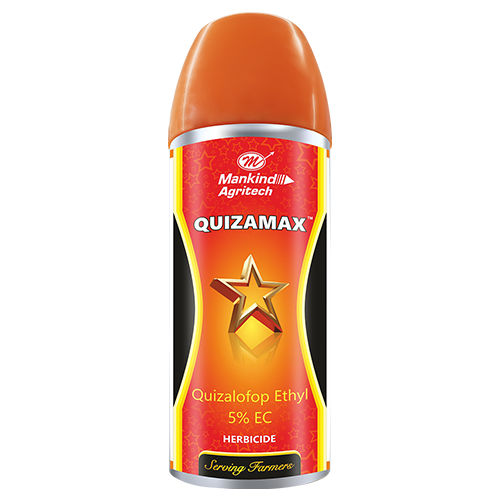
Farmers in India have access to a wide range of products designed for specific crops and weed types. Some commonly used options include:
- Pre-emergence herbicides: Pendimethalin, Atrazine
- Post-emergence herbicides: Glyphosate, 2,4-D
- Systemic fungicides for paddy: Carbendazim, Azoxystrobin
- Contact fungicides for paddy: Mancozeb, Copper Oxychloride
Selecting products based on crop type, target pest, and field conditions ensures optimal results.
Integrated Crop Protection Strategies
Using herbicides and fungicides effectively requires integration with other crop care practices. Integrated strategies include:
- Crop Rotation: Alternating crops reduces pest and disease buildup.
- Resistant Varieties: Planting disease-resistant paddy varieties minimizes dependency on fungicides.
- Cultural Practices: Proper irrigation, spacing, and soil management help prevent weed and disease proliferation.
- Biological Control: Using beneficial insects or microbes can reduce reliance on chemical herbicides and fungicides.
Combining chemical and non-chemical methods enhances sustainability while maintaining high yields.
Environmental and Safety Considerations
Safe use of herbicide in India and fungicides is crucial to protect the environment and human health. Farmers should:
- Avoid excessive use of chemicals
- Follow label instructions for storage, handling, and disposal
- Use eco-friendly products whenever possible
- Monitor fields regularly for signs of overuse or contamination
Responsible chemical management ensures long-term soil health, water safety, and biodiversity conservation.
Conclusion
Effective crop management in 2025 requires a combination of proper weed control and disease prevention. Using the right herbicide in India along with the best fungicide for paddy ensures healthy crops, higher yields, and safer produce. Following recommended practices, including correct dosage, timing, protective measures, and integrated crop protection, allows farmers to maximize productivity sustainably.
For farmers seeking expert guidance, certified products, and training in safe and effective crop management, Mankind Agritech offers comprehensive solutions. Their resources help farmers implement best practices, access quality crop care products, and maintain a thriving, productive, and environmentally responsible agricultural operation.
