
Preparing for a hair restoration procedure is just as important as the surgery itself, especially for individuals exploring options such as زراعة الشعر في الرياض where advanced techniques and experienced specialists are widely available. Proper preparation ensures a smoother experience, minimizes complications, and maximizes the success of your transplanted follicles. Understanding what to expect and how to get ready can significantly improve your comfort and final results.
Understanding the Importance of Pre-Procedure Preparation:
Many patients underestimate the value of thorough preparation before undergoing a transplant. The pre-surgery phase plays a crucial role in ensuring your scalp and body are in the best condition for healing and graft survival. By following your surgeon’s instructions carefully, you reduce risks, support stronger growth, and set the foundation for natural-looking outcomes. Preparation also helps manage expectations, making the journey smoother and more predictable.
Scheduling Your Consultation and Assessment:
Your preparation begins with a professional consultation, where the specialist assesses your scalp health, donor hair density, and overall goals. During this meeting, the doctor will determine which method—FUE, DHI, or another modern technique—best suits your condition. This evaluation also helps identify any factors, such as medical conditions or lifestyle habits, that may influence your final results. A clear, realistic plan ensures the procedure meets your expectations and long-term hair restoration needs.
Reviewing Your Medical History:
A transparent discussion about your medical history is vital for safety and effectiveness. Surgeons need to know about previous surgeries, medications, allergies, and ongoing treatments. Certain conditions may require additional precautions, while some medications must be adjusted before the procedure. By providing accurate information, you help your medical team create a safe environment and prevent unnecessary complications during or after the operation.
Adjusting Lifestyle Habits Before Surgery:
In the weeks leading up to your procedure, adopting healthier habits significantly improves healing. Surgeons usually advise patients to stop smoking, reduce caffeine intake, and avoid alcoholic beverages. Nicotine and alcohol can affect blood flow and prolong recovery, while excessive caffeine may increase scalp sensitivity. Prioritizing rest, hydration, and balanced meals strengthens your body’s ability to heal efficiently once the transplant is complete.
Medications and Supplements to Avoid:
Certain medications and supplements can thin the blood or interfere with anesthesia. Common items to avoid include aspirin, ibuprofen, vitamin E, and some herbal products such as ginkgo and ginseng. Your clinic will provide a full list of substances to stop before surgery. Discontinuing these items as instructed minimizes bleeding, enhances graft stability, and ensures the procedure is performed safely.
Preparing Your Scalp for the Procedure:
Keeping your scalp healthy is essential for a successful transplant. Surgeons may recommend washing with a mild shampoo, moisturizing dry skin, or treating underlying conditions such as dandruff or inflammation. Avoiding harsh chemicals, hair dyes, and excessive heat styling helps maintain optimal scalp condition. Healthy skin increases graft survival rates and supports quicker healing after the procedure.
What to Eat and Drink Before Your Transplant:
Nutritional preparation plays a subtle but important role in recovery. Eating balanced meals rich in vitamins, minerals, and protein supports the body’s natural healing processes. Patients should drink plenty of water before the procedure but avoid heavy meals on the day of surgery. Proper nutrition helps maintain steady energy levels and reduces discomfort during longer sessions.
Choosing the Right Clothing for Surgery Day:
Comfortable, loose-fitting clothing is recommended on the day of the procedure. Shirts with buttons or zippers are ideal because they can be removed without disturbing the scalp after surgery. Avoid tight collars, hats, or anything that might rub against the donor or recipient areas. Being mindful of clothing choices helps protect your freshly implanted grafts.
Arranging Transportation and Time Off:
Hair transplant procedures can take several hours, and patients are typically advised not to drive afterward. It’s essential to arrange transportation in advance to ensure a safe trip home. Additionally, consider taking adequate time off from work or strenuous activities to avoid unnecessary stress on the body. Planning your schedule reduces anxiety and allows you to focus fully on recovery.
Preparing Mentally for the Procedure:
Mental preparation is often overlooked but highly beneficial. Understanding the process, expected sensations, and post-operative care helps reduce stress and ensures a more positive experience. Reviewing before-and-after photos, asking questions during consultation, and setting realistic expectations all contribute to feeling confident and ready. A calm mindset supports a smoother recovery.
Understanding What Happens on Procedure Day:
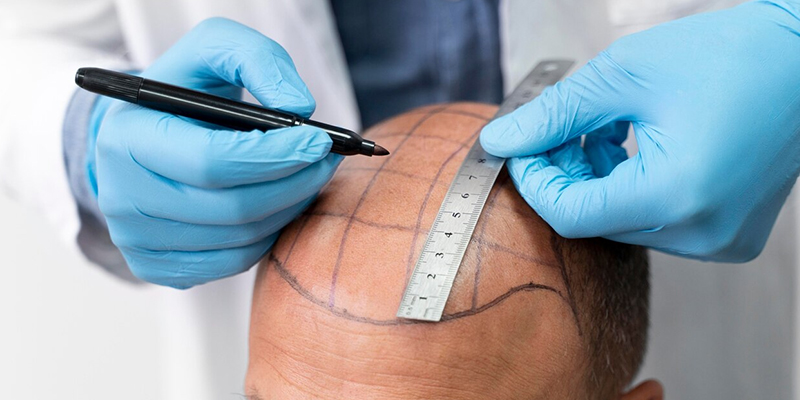
Knowing what to expect on the day of your transplant can ease nervousness. Typically, the medical team will review your treatment plan, mark the donor and recipient areas, and administer local anesthesia. You may sit or lie comfortably for several hours while grafts are extracted and implanted. Breaks are provided, and patients can often listen to music or watch videos. Being prepared for this experience helps the day feel more manageable.
Creating a Comfortable Post-Operative Environment:
Your recovery begins as soon as the procedure ends, so preparing your home in advance ensures a smooth transition. Consider arranging:
-
Clean pillows for proper head elevation
-
A calm, quiet resting space
-
Ice packs if recommended by the surgeon
-
Comfortable clothing and bedding
-
Easily accessible medication and water
By setting up this environment beforehand, you create a healing-friendly atmosphere without added stress.
Knowing the Immediate Aftercare Instructions:
Before leaving the clinic, you will receive detailed instructions for washing, protecting, and caring for your scalp. These guidelines may include how to sleep, when to resume washing, and which products to avoid. Following aftercare recommendations is essential for preventing infection, preserving grafts, and ensuring strong growth. Proper compliance can significantly influence your final results.
Common Mistakes to Avoid During Preparation:
Many patients unintentionally jeopardize their success by overlooking key details. Some common mistakes include:
-
Ignoring medication instructions
-
Smoking or consuming alcohol before surgery
-
Using harsh hair products too close to the procedure
-
Not arranging adequate recovery time
Avoiding these pitfalls helps maintain optimal health and increases the likelihood of exceptional results similar to those offered by leading تقنيات زراعة الشعر الحديثة centers.
Final Thoughts:
Preparing for your hair transplant is an essential phase that directly impacts the safety, comfort, and effectiveness of your procedure. By following medical guidance, adopting healthy habits, and planning your recovery environment, you give yourself the best possible chance for strong graft survival and natural-looking results. Thoughtful preparation ensures your hair restoration journey begins with confidence and ends with long-term satisfaction.
