
Dreaming of wandering through the buzzing souks of Marrakech, exploring the serene blue lanes of Chefchaouen, or gazing across the Sahara at sunset? For Fijian travelers, Morocco delivers an unforgettable blend of culture, color, and warm hospitality. And thanks to the streamlined Morocco eVisa, planning your adventure has become smoother than ever. To help you prepare, this guide clearly explains the Moroccan visa requirements for Fijian citizens, so you know exactly what’s needed before you go.
The digital entry permit makes it possible to organize your trip without mailing documents or waiting in long queues. But knowing exactly what you need, how the process works, and what to expect as a Fijian traveler is essential before your journey begins. This guide breaks down everything clearly—step-by-step—so you feel fully prepared and excited for your Moroccan getaway.
Do Fijian Passport Holders Need a Visa to Enter Morocco?
Yes — Fijian passport holders generally do need a visa to travel to Morocco for tourism or business purposes. According to visa-requirement resources, there is no visa-free or visa-on-arrival option for Fijian citizens.
When it comes to the Morocco eVisa, however, the situation is a bit more complex. While there are online eVisa systems for some nationalities, Fijians are only eligible under very specific conditions, meaning the standard eVisa may not apply to all.
How Can Fijian Citizens Apply for a Moroccan eVisa Online?
To apply for Morocco visa involves a few important steps, and for Fijian citizens, meeting certain eligibility criteria is a key part. Here’s a step-by-step understanding of the process:
- Complete Your Application Form: Start a new application. You will need to provide basic personal information, your Fijian passport details, planned travel dates, and other relevant data.
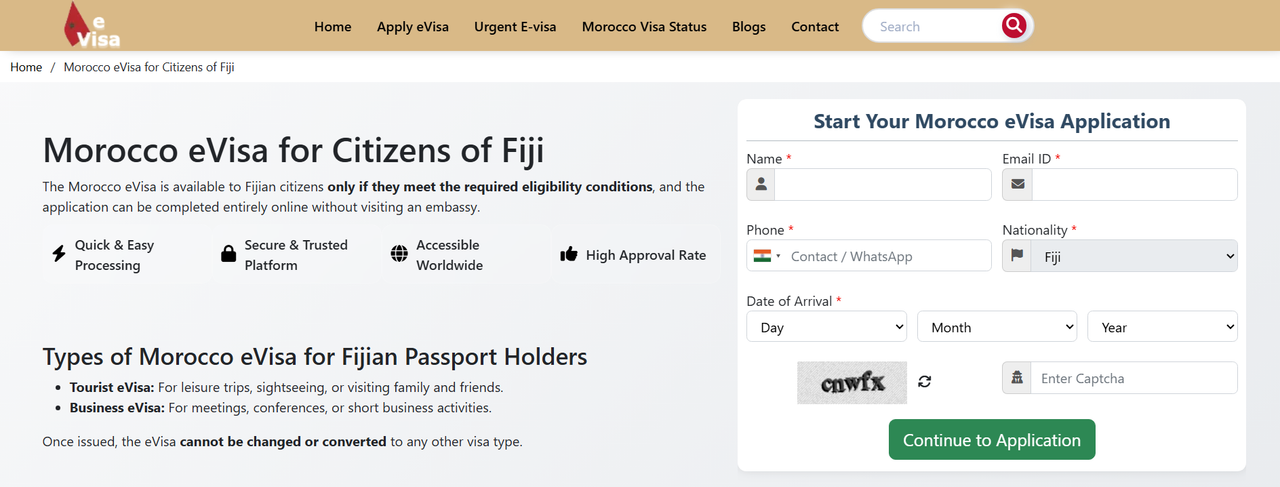
- Upload Required Documents: The system will ask you to upload a clear scan of your Fijian passport bio page, a recent digital passport-style photograph.
- Choose Processing Time: The eVisa system often offers different processing speeds. In some application systems for Fijian citizens, the options might include standard, rush, or even super-rush processing.
- Pay the eVisa Fee: Payment must be made online using a valid bank card (credit or debit). Once you pay and submit your documents, your application will be reviewed.
- Receive and Print Your eVisa: If your application is approved, the eVisa will be sent digitally (often via email) as a PDF. It’s highly recommended to print a copy and carry it with you; airline staff or Moroccan border agents may ask to see a physical version.
How Much Does a Moroccan eVisa Cost for Fijian Citizens?
There is a fee for Morocco visa associated with applying, but this can vary depending on the processing speed you choose (standard vs. rush, for example). While the exact fee may change over time, Fijian applicants typically pay when they submit the online application.
Different sources of eVisa-service platforms list different fee tiers, so it’s wise to double-check the current fee during your application.
Which Documents Are Required for Fijian Citizens Applying for a Moroccan eVisa?
To apply successfully, Fijian citizens generally need:
- A valid Fijian passport, with at least six months’ validity from the date of planned arrival.
- A recent digital photograph, passport-style, plain white background, good resolution.
Note that diplomatic, service, or refugee travel documents are not accepted for the eVisa — only ordinary passports qualify.
Where Do Fijians Receive Their Approved Moroccan eVisa?
Once approved, your Morocco eVisa is sent electronically, typically via email, as a PDF file. Fijian travelers should download and print this PDF. Airlines at check-in and Moroccan border often request a physical printed copy of your eVisa in addition to your passport.
Make sure the printed copy is clear, legible, and includes all the relevant visa details, and carry it in your hand luggage in case you’re asked to show it when boarding or entering Morocco.
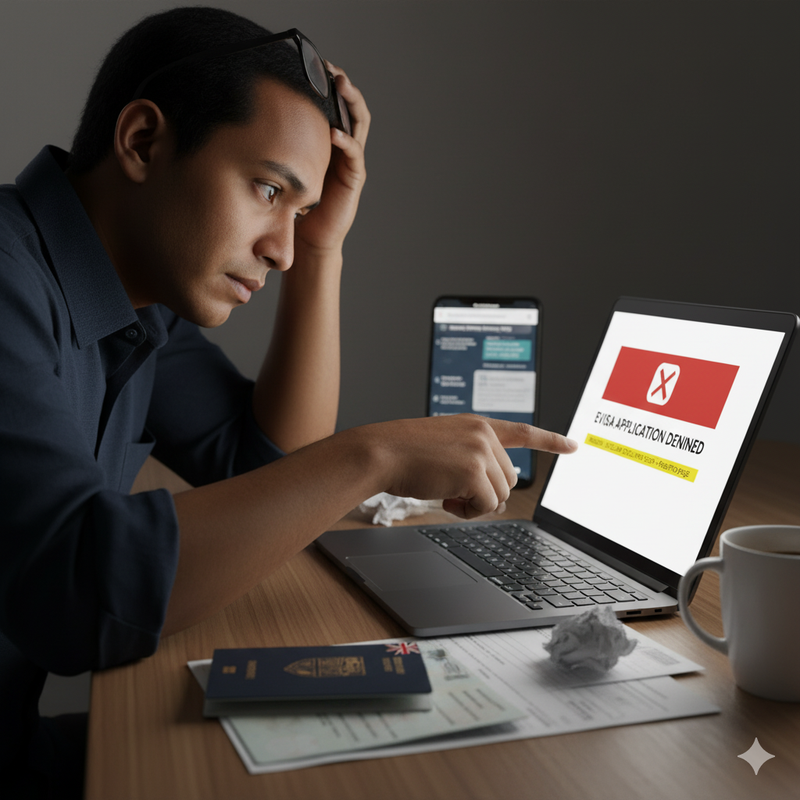
What Should Fijian Visitors Do if Their Moroccan eVisa Is Denied?
Getting a denial can be stressful, but here’s how to navigate it:
- Read the Rejection Email Carefully: The notification you receive should explain why your eVisa was not approved. It could be due to missing documents, an ineligible supporting visa or permit, or unclear scans.
- Fix the Issues and Reapply: If the reason is correctable (e.g., bad scans or missing uploads), retake the photos or scan your supporting visa or permit again and submit a new application.
- Consider Applying: If you repeatedly fail via the online method or you don’t meet the eVisa-eligibility criteria (for instance, no residence permit or qualifying visa), you may need to apply for a traditional, sticker visa at the nearest Moroccan diplomatic mission.
- Seek Help or Advice: If you’re uncertain, reach out to support via the eVisa platform (if provided) or seek advice from a visa-service specialist familiar with Moroccan visa procedures.
What Entry Conditions Must Fijians Meet Upon Arrival in Morocco?
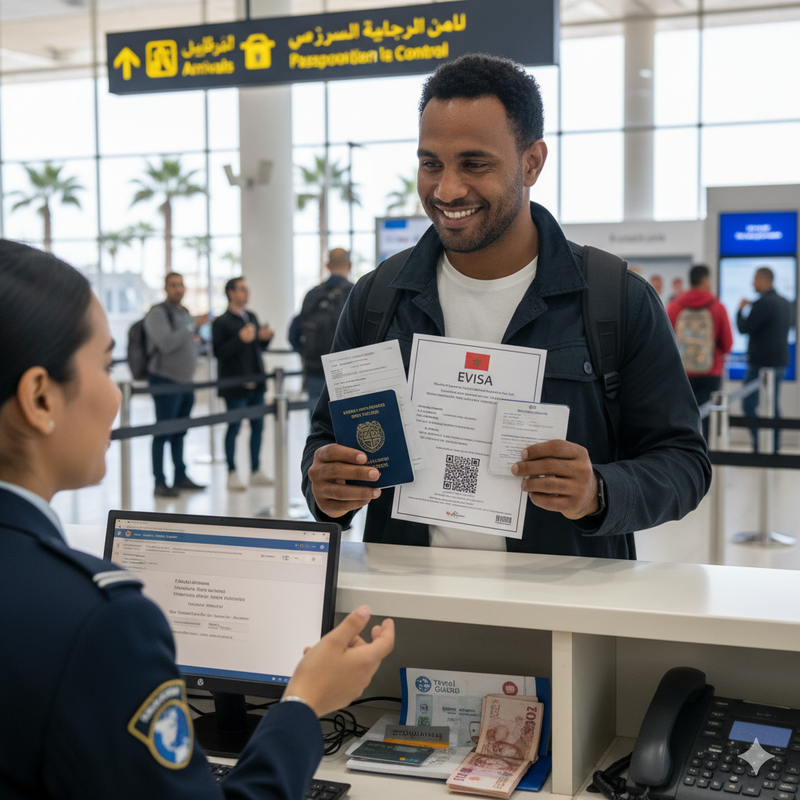
When you arrive in Morocco after obtaining your eVisa, here are key points to know:
- Passport: You must travel with the same Fijian passport you used in your application. If your passport number doesn’t match the one on your eVisa, you could face trouble.
- Printed eVisa: Have your printed eVisa document ready to show at entry.
- Proof of Accommodation: While not always asked, it’s smart to carry your hotel reservation or address of where you’ll be staying.
- Sufficient Means: Some travelers report needing to show proof of financial means per day of stay or a credit card.
- Travel Insurance: It’s not strictly mentioned in all eVisa terms, but having medical/travel insurance provides extra reassurance — and may be required in some cases.
How Does the Moroccan eVisa Benefit Fijian Business Travelers?
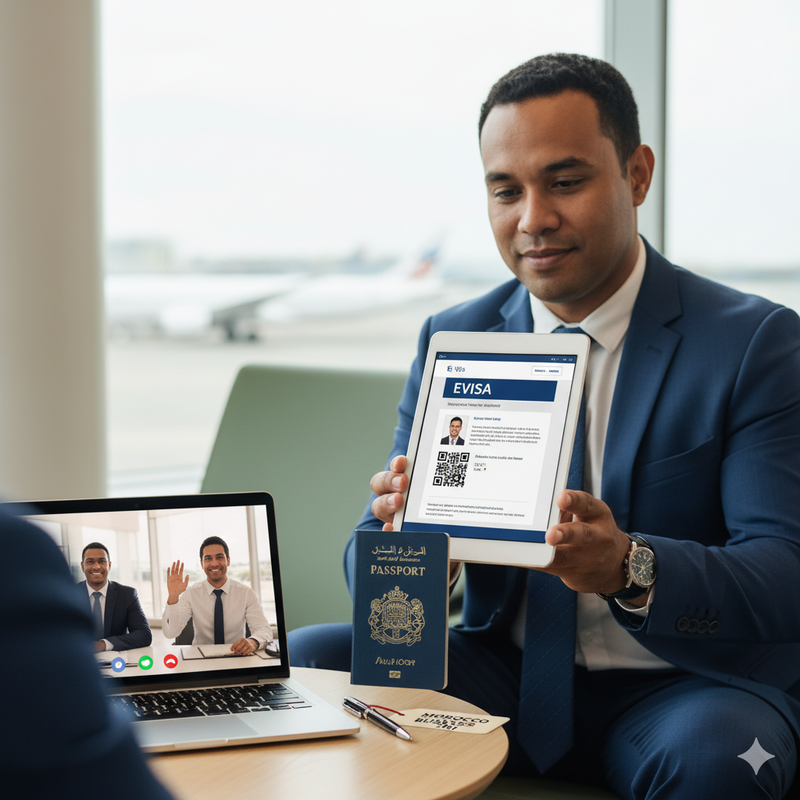
If you’re traveling to Morocco for work, meetings, or short-term business activities, applying for the Morocco eVisa can be a major convenience:
- No Need: Because the process is online (if you’re eligible), you don’t have to physically go to a diplomatic mission.
- Faster Processing (Potentially): With options like rush or super-rush, you can tailor the timeline depending on how urgent your trip is.
- Digital Proof: Your eVisa comes as a PDF, which is easier to carry, store, and present when needed — you don’t have to juggle visa stickers in your passport.
- Short-Term Stays: The eVisa supports tourism and business visits, making it perfect for brief work trips without the complexity of long-term or residency permits.
What Are the Validity Rules for the Moroccan eVisa for Fijian Passport Holders?
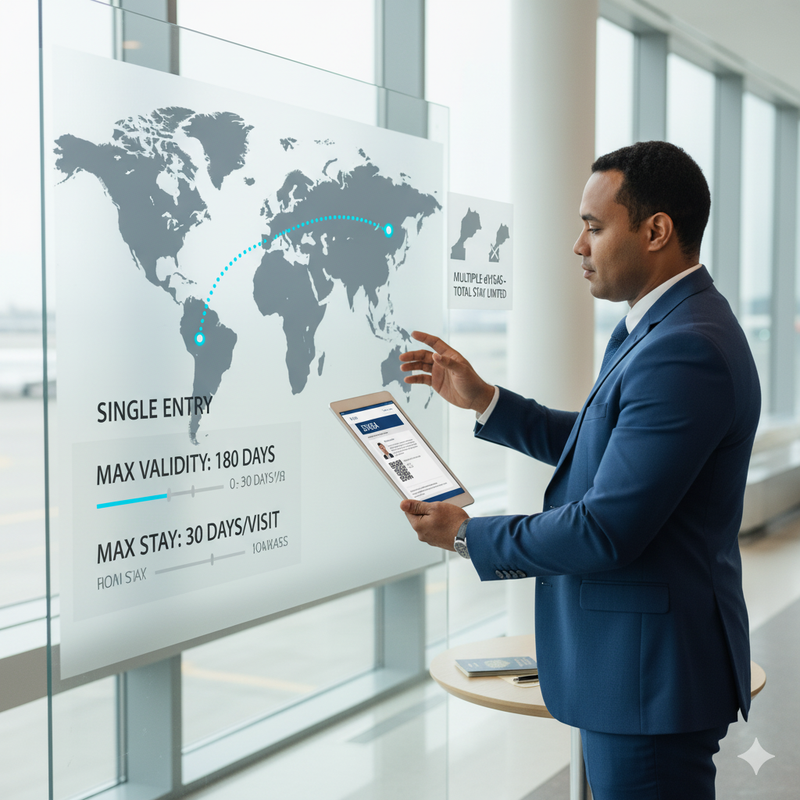
When a Fijian citizen obtains a Morocco eVisa, these are the typical validity conditions (based on publicly available visa-policy data for eVisas):
- Maximum Validity Period: Up to 180 days from the date of issue for many standard eVisa types.
- Stay Duration: Usually limited to 30 days per visit, depending on the visa type.
- Entry Type: Most of these eVisas are single-entry, meaning once you leave Morocco, you cannot reuse the same eVisa to re-enter — you’ll need to apply again.
- Multiple eVisas: Even if you apply for more than one eVisa over time, the total number of days you stay in Morocco must not exceed what was granted per visa.
Which Vaccination or Health Rules Apply to Fijians Traveling to Morocco?
Good news: as of now, there are no mandatory vaccinations specifically required by Moroccan authorities for travelers coming from Fiji, beyond the usual travel health advice. However, here’s some practical travel-health advice:
- Routine Vaccines: Make sure you’re up to date on routine immunizations (measles, tetanus, etc.).
- Travel Health Insurance: Extremely recommended — in case of illness, hospitalization, or other medical needs, it’s a huge relief to be covered.
- COVID-19 Considerations: While entry restrictions have eased globally, do check current airline policies or Moroccan health guidance prior to departure — requirements can change.
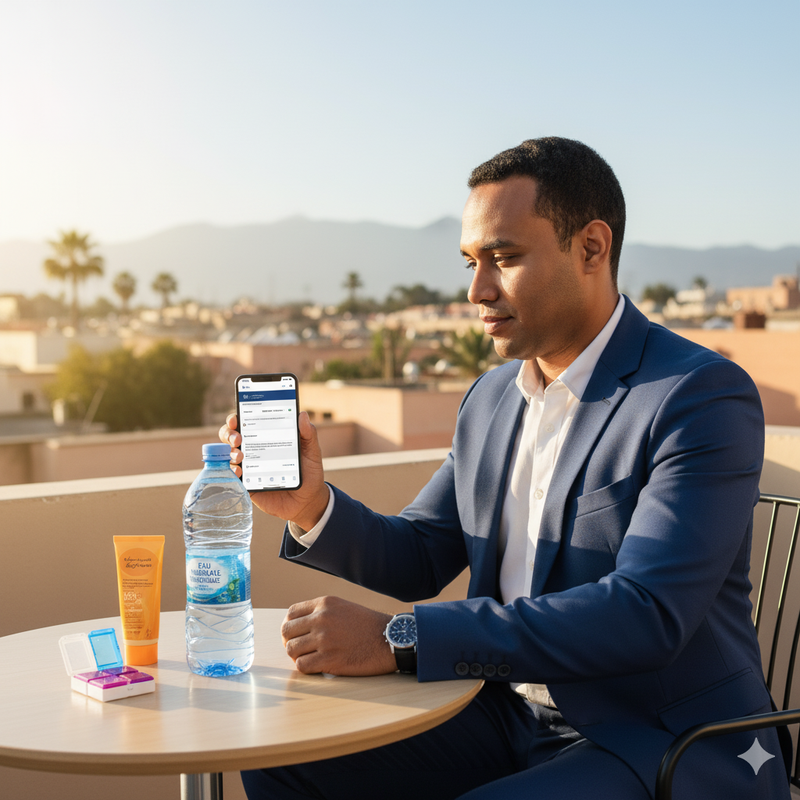
- Local Health Precautions: Drink bottled water if uncertain, use sunscreen, and follow standard food safety guidelines (especially in market stalls or street food).
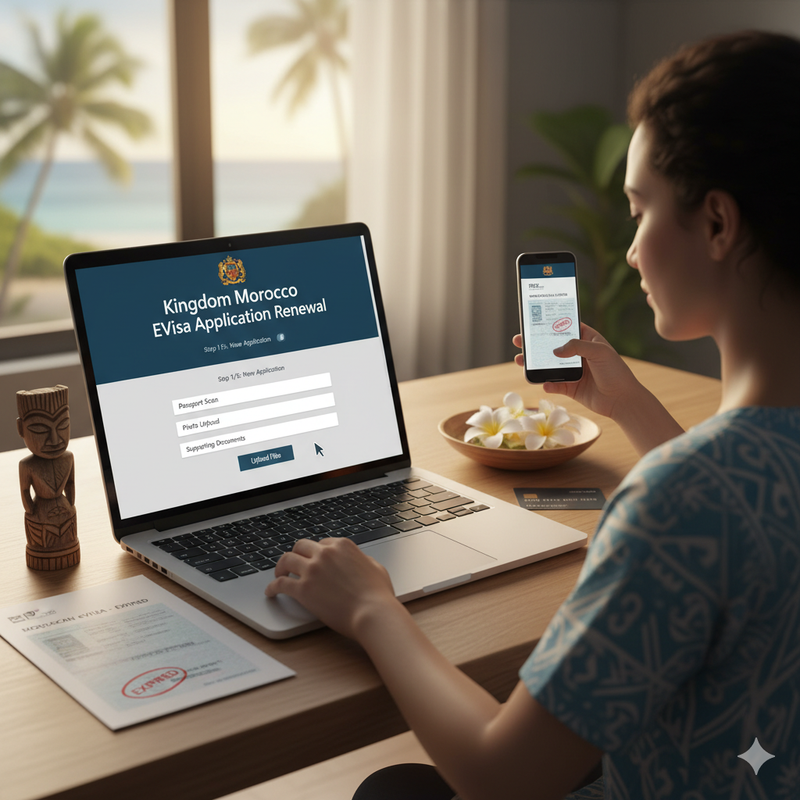
How Do Fijians Reapply if Their Moroccan eVisa Expires?
If your eVisa is set to expire and you plan to return to Morocco, here’s how to go about reapplying:
- Make a New Application: You will generally need to start a completely new eVisa application through the online system, just as you did the first time.
- Prepare Documents Again: Re-upload your passport scan, photo, and supporting visa or permit documentation, making sure everything is current and valid.
- Choose Processing Speed: Select from the same processing options (standard, rush, etc.) that fit your travel plan.
- Pay Fee Again: Payment is required for each application.
- Receive New eVisa: Once approved, you’ll get a fresh PDF version, which again should be printed and carried when you travel.
Which option offers more convenience: applying directly through the government website or using an agent?
1. Applying Directly via Government Website
Pros:
- You deal directly with the Moroccan eVisa portal: acces-maroc.ma.
- Probably cheaper, because you only pay the government fee (no extra “agent service fee”).
- Transparent process: the government site publishes its terms, required documents, etc. For example, their conditions of use explain which passports are accepted (only ordinary passports) and that once paid, there’s no refund.
- They have a guide to help with step-by-step application.
Cons:
- The interface may be less “user-friendly” or modern. (Some users on Reddit report technical or usability problems.)
- Less flexibility in payment or “rush” options unless offered by government.
2. Applying via Agent: morocco-evisa.org
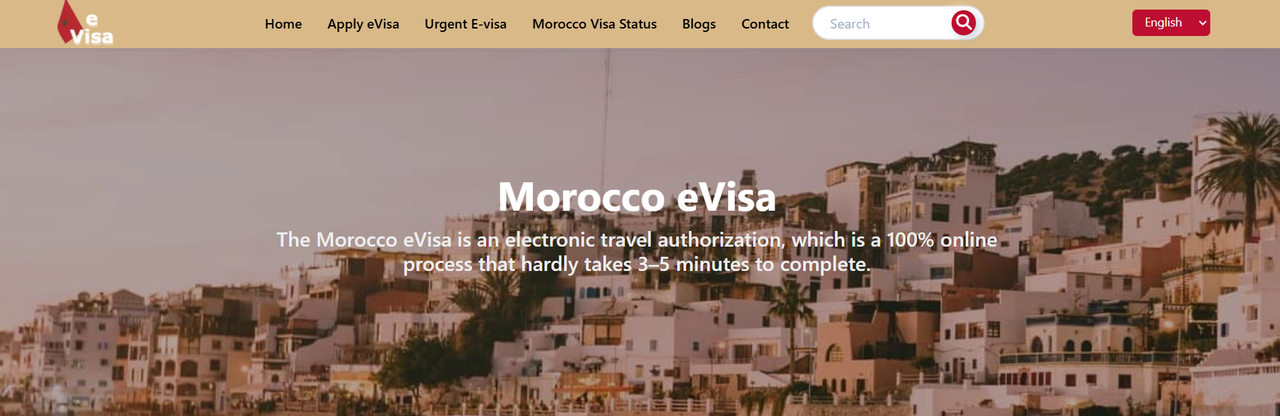
Morocco-evisa.org is a “agent” / service that helps people apply for Moroccan visas (especially the eVisa) by handling the application steps, reviewing documents, and offering different processing speeds. Here are full details (from their site) + why using them can be more convenient.
Full Details / Features of Morocco-evisa.org
- Types of eVisas supported:
- Tourist eVisa — for tourism, visiting friends/family, sightseeing, etc.
- Business eVisa — for business trips, meetings, conferences.
- Processing Time Options (via this agent):
- They offer Standard, Rush, and Super Rush processing.
- According to their site: Standard 3–6 days, Rush 2–4 days, Super Rush maybe 1–2 days.
- Fees:
- There is a “Morocco eVisa fee” (this presumably includes both the government’s visa cost + the agent’s service fee) depending on processing speed.
- Because of the agent, you pay more than just the government fee, but you might pay for speed + support.
- Customer Support:
- They promise 24/7 support, via email and live chat.
- Contact: support[@]morocco-evisa.org or via their WhatsApp / live system.
- Application Process (through agent):
- Fill in the “Apply eVisa” form on their portal.
- Upload required documents: passport scan, photo, travel itinerary, etc.
- Choose the processing time (Standard / Rush / Super Rush).
- Pay via their secure system.
- After approval, they will send the eVisa via email, no need for in-person appointments.
- Tips & Mistakes Help:
- They have a dedicated section on “Common Mistakes to Avoid” — e.g., wrong passport info, unclear photo, mismatched names, etc.
- They also offer tips for a smooth application: validity of passport, how to upload, checking details carefully, etc.
- Eligibility:
- Only ordinary passports are accepted for eVisa.
- For business visa, you may need a business invitation letter.
- The eVisa is linked electronically to your passport — you don’t get a physical sticker; it’s all digital.
3. Which Option Is More Convenient — and Why the Agent (Morocco-evisa.org) Might Be Better
Why the agent option (morocco-evisa.org) feels more convenient:
- Time-saving & less stress: You don’t need to figure out all the visa-government portal quirks; the agent’s site walks you through every step.
- Flexible processing: With “rush” or “super rush” you can get your eVisa faster, which is great if you have tight travel plans.
- Better support: 24/7 customer service means if something goes wrong (document upload, payment, questions), you can ask for help quickly.
- Error prevention: They guide you on common mistakes so you reduce the risk of visa rejection due to small errors.
- Digital and remote: Entire process is online — no physical paperwork.
- Trustworthy agent: The site is quite detailed, with FAQ, contact, and transparency about processing times and visa types — this builds trust, especially for first-timers.
What Are the Top Tips for Fijian Nationals to Successfully Obtain a Moroccan Visa?
Here are my tried-and-true travel-blogger tips for Fijians applying for a Moroccan eVisa or planning a trip:
- Apply Early: Even if you’re not sure which processing tier you need, start the application at least a week or two in advance — that gives you buffer for corrections.
- Double-Check Your Passport Validity: Make sure your Fijian passport is valid for at least six months beyond the date you plan to arrive in Morocco.
- Scan Neatly: Use a flatbed scanner or high-quality camera to take clear, legible scans of your documents. Blurry or poorly lit documents are a common cause of rejections.
- Use Correct Supporting Visa / Permit: If you’re relying on a residence permit or multiple-entry visa, check that it meets Morocco’s eligibility rules. Single-entry visas may not qualify.
- Stay Organized: Create a folder for all your digital documents — passport scan, photo, supporting visa/permit, application confirmation — so you can upload easily and have backups.
- Print Your eVisa: Always carry a printed copy of your approved eVisa. Even if border agents accept digital versions, it’s safer to have a paper backup.
- Prepare for Arrival: Be ready with the basics at border control: your passport, printed eVisa, proof of return or onward ticket, and accommodation details.
- Get Travel Insurance: It’s not just a “nice to have” — with international travel, it’s a very practical safety net.
- Be Honest & Accurate: Fill in all application fields carefully. Typos in your name, passport number, or travel dates can lead to rejections or issues on arrival.
Conclusion: Your Hassle-Free Journey to Morocco Starts Here
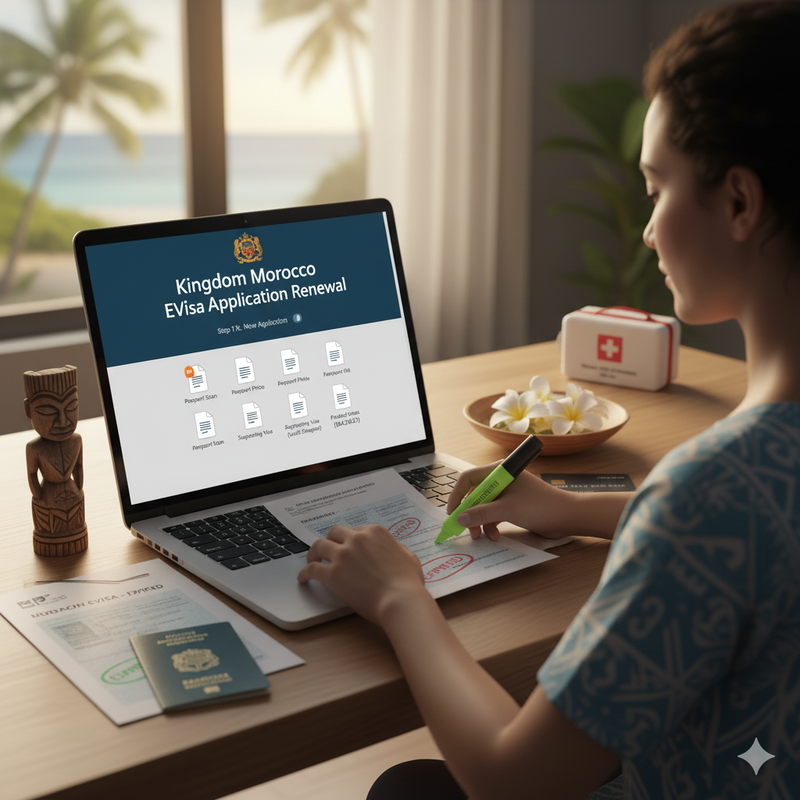
While the idea of applying for a Morocco eVisa might feel a little daunting at first — especially as a Fijian citizen — it’s totally manageable with the right prep. By checking your eligibility, collecting the right documents, submitting your application carefully, and carrying your printed visa and travel paperwork, you can smooth out nearly every bump in the process.
Morocco is a land of rich contrasts — from the snow-capped Atlas Mountains to the golden desert dunes, from bustling city squares to tranquil coastal towns. Once you’ve nailed your visa logistics, you’ll be free to focus on the magic of planning your trek through its ancient streets, sampling tagine after tagine, and connecting with local culture. Your journey is well within reach — and it all begins with that first online application.
FAQ: Common Questions for Fijian Applicants of Morocco e-Visa
Q: Can I use a refugee or diplomatic passport from Fiji for the Moroccan eVisa?
A: No, the eVisa system only accepts ordinary Fijian passports. Special travel documents like diplomatic or refugee passports are not eligible.
Q: What happens if my multiple-entry visa or residence permit expires before travel?
A: You’ll likely need to renew it or obtain a valid one before applying — since your supporting document needs to be accepted at the time of application.
Q: How long does approval take?
A: It depends on the processing tier. Standard can take 3–6 working days, while rush or super-rush options can be faster.
Q: Do I need to show proof of funds when I arrive in Morocco?
A: While not always asked, you should be prepared to show proof of financial means (bank statements, credit card, etc.) or proof of accommodation to border.
Q: If I’m denied, can I appeal?
A: There’s no formal appeal — but you can correct the reason for denial and reapply, or consider applying for a traditional visa if you’re not eligible for the eVisa path.
